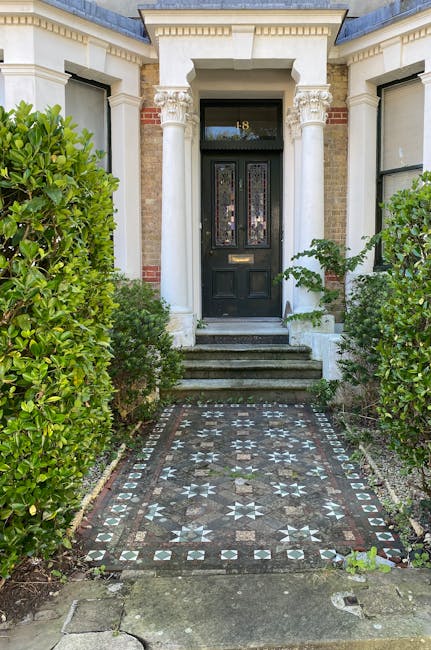
Hornsey gardeners for N8 terraces and Victorian fronts
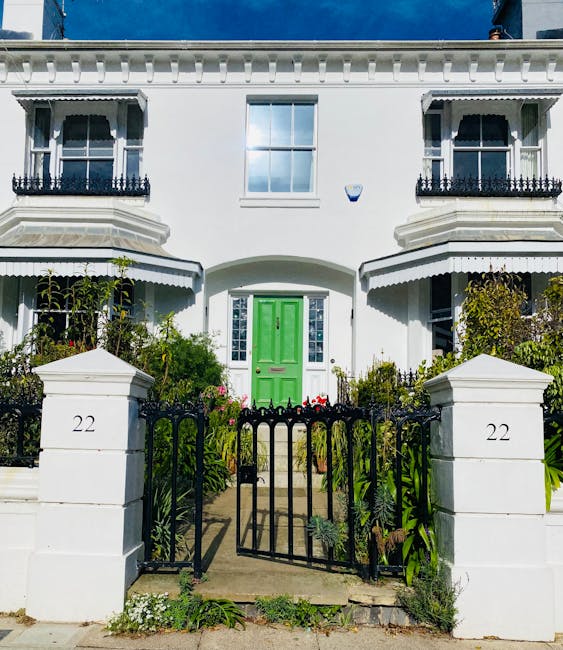
If you live in Hornsey and your outdoor space is a narrow terrace, a paved front garden, or a slightly tired Victorian frontage, you already know the challenge: it has to look good close up, work in limited space, and survive ordinary London weather without becoming a weekly headache. That is exactly where Hornsey gardeners for N8 terraces and Victorian fronts earn their keep. The right approach can turn a cramped strip of frontage or a shaded little yard into something neat, welcoming, and properly usable.
This guide breaks down what local garden care really looks like in the N8 area, why front gardens on older homes need a different touch, and how to plan maintenance that is attractive without being fussy. You will also find practical steps, common mistakes, and a clear checklist you can use whether you are refreshing a front border, dealing with a neglected terrace, or planning a longer-term makeover. Truth be told, the best results often come from the boring bits done well.
Why Hornsey gardeners for N8 terraces and Victorian fronts matters
Hornsey has a particular kind of garden fabric. Many homes in N8 are Victorian or Edwardian, with front paths, boundary walls, compact front plots, and back gardens that are split between shade, shelter, and very little margin for error. A terrace garden can look elegant or chaotic with just a few wrong choices. A Victorian front can look grand or forgotten depending on hedge height, planting balance, and how tidy the entrance feels from the pavement.
That is why local knowledge matters. A gardener working in Hornsey has to think about more than just plant choice. They need to consider access, privacy, soil condition, aspect, drainage, neighbour sightlines, and the visual line from the street to the front door. A tall plant that looks lovely in a rural garden may feel overwhelming on a narrow terrace. A low-maintenance shrub can become a yearly burden if it blocks the light to a basement window or obscures the house number. Small detail. Big difference.
Front gardens in older streets also carry a kind of social role. They shape first impressions, but they also help soften hard brick, railings, and paving. Used well, they can restore character rather than compete with it. Used badly, they can make a home feel cluttered, hidden, or oddly severe. Nobody wants that.
For many local homeowners, the aim is not a magazine-perfect space. It is a front garden that looks cared for every week, not just after a big annual tidy. That is especially true where regular upkeep is tied to wider services such as routine garden maintenance or more focused work like hedge trimming in Hornsey. Those jobs are often the backbone of a smart-looking exterior.
How Hornsey gardeners for N8 terraces and Victorian fronts works
In practice, this kind of gardening starts with an honest assessment. What do you have, what do you want, and what is actually realistic for the site? A small terrace with a north-facing patch will behave very differently from a south-facing Victorian frontage that gets sun, wind, and foot traffic. The work should begin with observation rather than guesswork. That sounds obvious, but it is amazing how often it gets skipped.
A good local gardener usually looks at the following:
- the width of paths, beds, and entrance space
- sun and shade patterns across the day
- soil quality and compaction
- existing shrubs, hedges, and self-seeded growth
- how much pruning or clearing is needed before planting
- maintenance preferences: low effort, medium effort, or hands-on
From there, the work can be grouped into manageable jobs. On a terrace, that may mean border reshaping, container planting, weed control, and better use of vertical space. On a Victorian front, it may involve tightening the edges, refreshing the planting structure, improving the look of the path, or bringing back definition with sympathetic trimming.
It often helps to think in layers. Ground level for structure, mid-height for seasonal colour, and upper level for framing and privacy. If the house is shaded, climbing plants can be a smart way to add softness without using valuable floor space. A good reference point here is the local advice on shade-enduring climbers, especially if your frontage gets only a few hours of light. And if the ground itself is patchy or exposed, a guide like ground cover varieties for UK gardens can help you choose plants that knit the space together instead of leaving bare soil on display.
Key benefits and practical advantages
There are obvious benefits, of course: a better-looking garden, healthier plants, and less time spent firefighting weeds or overgrowth. But the real value often goes deeper than that.
- Stronger kerb appeal: A well-kept front garden makes the entire property feel more intentional.
- Better use of space: Narrow terraces need design that earns every square metre.
- Less weekly stress: Proper structure reduces the cycle of constant little fixes.
- Improved privacy: Careful planting or hedge shaping can soften views without making the front feel closed in.
- More resilient planting: The right species cope better with shade, wind, and urban heat.
- Better seasonal rhythm: Good planting gives you something happening in winter, spring, and late summer, not just one month of interest.
There is also a comfort factor. A tidy Victorian front can make coming home feel calmer. You hear the gate click, see the neat border, and the whole place seems more settled. That kind of feeling is hard to quantify, but people notice it immediately.
For homeowners who prefer a simpler approach, it may be worth exploring ideas from easy gardening with low costs and low effort. The trick is not to do less care altogether. It is to choose the right care, in the right places, at the right time.
Who this is for and when it makes sense
This kind of local garden support suits a wide range of homeowners and landlords. It is especially useful if one of these sounds familiar:
- Your front garden is small, but it is the first thing everyone sees.
- Your terrace feels cluttered because bins, bikes, pots, and plants all compete for space.
- You have inherited a garden that has become overgrown or neglected.
- The planting was once attractive, but it is now patchy, woody, or unbalanced.
- You want privacy without building a fortress out of shrubs.
- You need a garden that can be maintained reliably throughout the year.
It also makes sense for people who do not want a full redesign. Not every project needs landscaping from scratch. Sometimes the smartest move is to stabilise what is already there. That could mean cutting back a hedge, improving soil, refreshing containers, or reshaping a front border so the whole house looks sharper. If you have ever looked at the same frontage every day and thought, "It just needs sorting," that is usually the right instinct.
Families, older homeowners, busy professionals, and landlords all tend to value different things, but they usually want the same outcome: a garden that looks good without becoming a chore. If that is the brief, a targeted approach is much better than a dramatic one.
Step-by-step guidance
Here is a practical way to tackle an N8 terrace or Victorian front without overcomplicating it.
- Start with a clean slate. Remove fallen leaves, litter, dead stems, and obvious weeds. You cannot assess a space properly while it is hiding under debris.
- Check what is already working. Keep healthy shrubs, well-placed climbers, or strong structural plants if they suit the space.
- Decide the purpose of each area. Is the front garden mainly decorative, partially private, or also used for storage and access?
- Set the boundaries. Sharp edges, clear paths, and consistent heights make even a tiny garden look more expensive than it is.
- Improve the soil before planting. Older front gardens often have compacted or tired soil. Loosening it and adding organic matter pays off quickly.
- Choose plants for the site, not the brochure. Shade, wind, drought, and limited root space matter more than trend.
- Build in maintenance. Select plants that can be pruned, divided, or refreshed without major disruption.
- Finish with detail. A tidy edge, refreshed mulch, or balanced containers can make the whole frontage feel complete.
A realistic terrace project may take one weekend for tidying and planting, then a second visit later for refinement. A Victorian front might need more careful work around hedges, railings, or old brickwork. If there is a neglected border, start small and finish properly rather than racing into new planting before the foundations are ready. That way madness lies, as they say.
If you are tackling an overgrown start point, the guidance in preparing to combat garden neglect is a sensible companion. It keeps the job practical instead of overwhelming.
Expert tips for better results
There are a few rules that consistently improve results in Hornsey gardens, especially on tighter urban plots.
Use repetition, but not too much
Repeating the same plant every few metres creates calm. Repeating too many different plants creates visual noise. On a narrow front garden, restraint usually wins.
Think vertically
When floor space is tight, walls, trellises, and climbers can do a lot of heavy lifting. Vertical planting also helps break up hard surfaces without eating into paths.
Choose plants that cope with the site
A sunny south-facing front and a cool, shaded terrace are not the same job. It sounds basic, yet many poor garden outcomes start with the wrong plant in the wrong place. If you want a stronger sense of height and enclosure, the ideas in vertical gardening can be genuinely helpful.
Keep front gardens visually open near the door
A common mistake is placing the tallest planting right by the entrance. That can make the house feel smaller, darker, and more closed off. Taper height upward as you move away from the path or doorway.
Use hedges as soft architecture
Well-trimmed hedges can act like a frame around the property. The key is keeping the line deliberate. For privacy, a useful reference is hedges that thrive quickly, though fast growth always needs disciplined trimming afterwards.
Plan for weather, not wishful thinking
London weather is changeable. Wind one week, damp shade the next, then a dry spell that punishes containers. A bit of resilience planning saves money later. For that, garden defences for extreme weather is well worth a look.
One practical tip from experience: if a space looks nearly right but still feels off, it is often because the edges are weak. Not the plants. The edges. Neat borders, clean paving, and well-managed heights usually fix more than people expect.
Common mistakes to avoid
Some of the most frequent issues in N8 terrace and front-garden work are simple, but they make a big difference.
- Overplanting: Small spaces can vanish under too many shrubs or pots.
- Ignoring shade: A north-facing front needs different plants from a sunny one.
- Letting hedges run wild: Once they lose shape, the whole frontage looks untidy.
- Using thirsty plants in dry spots: That becomes a maintenance burden in summer.
- Choosing style over practicality: Fancy is fine, but only if it survives daily life.
- Neglecting access: Pathways still need room for bins, deliveries, prams, and people.
- Skipping long-term maintenance: A good first day can be undone by six ignored months.
There is also the temptation to do everything at once. On paper, that sounds efficient. In reality, it often means rushed decisions, bad spacing, and a cluttered result. Better to solve the structure first, then add detail. You will thank yourself later.
If weeds are a recurring issue, the advice in three tips to keep your garden free of weeds is a sensible starting point. And if winter is where the damage tends to happen, winterproofing your garden can help reduce losses before spring arrives.
Tools, resources and recommendations
You do not need a shed full of professional equipment to maintain a small London garden, but the right tools matter. A tidy front garden is usually built on simple, consistent care.
| Tool or resource | Why it helps | Best for |
|---|---|---|
| Hand shears or hedge trimmers | Keep edges and hedges neat without tearing growth | Front hedges, boundary shrubs, topiary |
| Spade and fork | Loosen compacted soil and refresh borders | Older front gardens, tired beds |
| Secateurs | Clean pruning on small stems and climbers | Seasonal maintenance, deadheading |
| Watering can or hose with control | Better control in containers and new planting | Terraces, pots, recent planting |
| Mulch or compost | Improves soil and reduces weeds | Borders, shrubs, moisture-hungry areas |
| Good planting plan | Prevents random buying and overcrowding | Any project with limited space |
For homeowners who enjoy a more hands-on approach, a solid starter list is laid out in tools every gardener needs. And if you are trying to make the most of narrow walls or awkward side spaces, container gardening can be a smart, flexible option.
Compost matters too. In smaller gardens, what you feed back into the soil has a big effect. The piece on turning waste into soil enhancers is useful because it keeps the process practical rather than overcomplicated.
Law, compliance, standards and best practice
Most domestic garden work in Hornsey is straightforward, but there are still sensible standards to follow. If work involves ladders, power tools, lifting, or cutting near boundaries, safe practice matters. So does clear communication about access, debris removal, and what is included in the job. Homeowners should always know what is being cut back, what is being retained, and whether waste will be cleared away.
Where trees are involved, especially near walls, roofs, or neighbouring property lines, the right approach is more cautious. Tree work can affect light, privacy, and safety, so it should be assessed carefully rather than hacked into shape. If in doubt, local tree surgery support is usually the safer route than a DIY guess.
Insurance, health and safety, and clear terms are part of good service, not just paperwork. It is worth checking how a provider handles site safety, payment, and customer expectations. Pages such as insurance and safety, health and safety policy, payment and security, and terms and conditions show the kind of structure that serious customers usually appreciate. Not thrilling reading, I know, but reassuring.
For customers who want clarity on process or next steps, pricing and quotes and about us are the pages that typically help with trust and decision-making. If something goes wrong, a clear route for feedback matters too, which is why a visible complaints procedure is worth having.
Options, methods, and comparison table
Different Hornsey properties need different approaches. A tidy terraced front is not the same as a leafy Victorian entrance, and both are different again from a narrow back yard. Here is a simple comparison that may help.
| Approach | Best for | Strengths | Trade-offs |
|---|---|---|---|
| Light-touch maintenance | Already tidy gardens needing regular upkeep | Fast, affordable, minimal disruption | Won't solve structural issues |
| Targeted renovation | Overgrown borders, tired hedges, uneven frontage | Good value, visible improvement | Needs an initial reset phase |
| Container-led design | Small terraces and hard paved areas | Flexible, easy to change seasonally | Requires watering and feeding |
| Structural planting | Victorian fronts needing shape and balance | Creates strong curb appeal, long-term form | Takes planning and regular pruning |
| Privacy planting | Homes overlooked by neighbours or passers-by | Softens views and improves comfort | Needs the right height control |
In many Hornsey gardens, the best result is a mix rather than a single method. For example, a front garden may use structural shrubs for shape, ground cover to suppress weeds, and one or two containers for seasonal colour. That mix is often more forgiving than trying to make one feature do everything. It just is.
Case study or real-world example
Consider a typical N8 Victorian front with a narrow path, two small beds, and an old hedge that had become heavy and uneven. The house itself was lovely, but the frontage had slipped into the familiar "almost cared for" look. Not terrible, just slightly apologetic. You know the type.
The first step was clearing debris and cutting back the overgrown sections so the property line was visible again. That alone made the house feel more open. Next came soil improvement in the borders, because the ground had been compacted by years of foot traffic and not much else. Then the planting was simplified: a few reliable structure plants, lower ground cover near the path, and a pair of seasonal containers by the entry for colour.
The final stage was shaping rather than stuffing. Edges were sharpened, the hedge line was reduced to a manageable height, and the whole frontage was designed to read clearly from the street. Nothing flashy. No garden theatre. Just a better balance between house, path, and planting.
The result was not only neater, but calmer. That is the real win in a space like this. The house looked more settled, and the front garden stopped asking for attention every week. For a lot of local homes, that is exactly the sweet spot.
Practical checklist
Use this checklist before starting work on a terrace or Victorian front in Hornsey.
- Assess sun, shade, and wind exposure across the site.
- Measure paths, beds, and access routes properly.
- Remove weeds, dead growth, and loose debris first.
- Decide whether the priority is privacy, kerb appeal, or low maintenance.
- Check which plants are worth keeping and which need replacing.
- Improve soil before adding new plants.
- Choose a limited palette so the space feels calm, not crowded.
- Plan hedges, climbers, or containers to suit the property style.
- Make sure the entrance stays open and welcoming.
- Set a maintenance rhythm so the result lasts beyond one tidy-up.
Expert summary: if a Hornsey front garden feels difficult, the problem is usually not size alone. It is nearly always a combination of structure, maintenance, and the wrong plant choices for the site. Fix those three things and the whole place starts to behave better.
Conclusion
Hornsey gardeners for N8 terraces and Victorian fronts need to work with character, not against it. Older homes in this part of London often have beautiful bones, but they also bring awkward shade, limited space, and front areas that need to stay tidy without becoming sterile. The best garden care here is thoughtful, restrained, and realistic.
If you focus on structure first, choose plants that suit the site, and keep maintenance simple enough to repeat, you will get far better results than chasing quick visual drama. In the end, that is what local gardening is really about: making the outside of the home feel as considered as the inside. Small space. Proper care. Big difference.
If your terrace or Victorian frontage needs a fresh start, the next step is usually a straightforward conversation about what can be improved now and what should be planned for later. Get a free quote today and see how much you can save.
Frequently Asked Questions
What do Hornsey gardeners for N8 terraces and Victorian fronts usually do?
They typically handle maintenance, pruning, hedge shaping, border tidying, planting, soil improvement, and practical design work for compact or character properties. The aim is usually to keep the garden attractive and manageable, not overdesigned.
Are terrace gardens harder to maintain than larger gardens?
Often, yes. Smaller gardens can become cluttered quickly, and every plant choice matters more. On the other hand, a well-planned terrace can be easier to maintain once the structure is right.
What makes a Victorian front garden different?
Victorian fronts usually need a balance of formality and softness. The frontage should suit the house style, keep the entrance open, and avoid planting that hides the architecture or blocks access.
How often should a front garden be maintained?
That depends on the planting, but most front gardens benefit from regular light maintenance rather than occasional big overhauls. Hedges, edging, and weeds are much easier to manage if tackled consistently.
Can a small Hornsey terrace still have privacy?
Yes, if it is planned carefully. Partial screening with hedging, climbers, or tall container planting can reduce overlooking without making the space feel boxed in.
What plants work well in shaded N8 front gardens?
Shade-tolerant climbers, ground cover, and reliable structural shrubs often perform better than sun-loving plants. The key is matching the plant to the actual light conditions rather than the dream version of the garden.
Is low-maintenance gardening realistic for older London homes?
Yes, very much so. It usually involves fewer plant varieties, better soil care, sensible pruning, and a layout that is easy to reach and keep tidy. Low-maintenance does not mean no maintenance, though.
How do I know if my front hedge needs professional trimming?
If it is blocking light, encroaching on paths, looking uneven, or becoming difficult to shape safely, it is probably time to get it sorted. A hedge should frame the property, not fight it.
Should I choose containers or borders for a small terrace?
Both can work. Containers are flexible and great for awkward paved spaces, while borders create a more rooted, permanent look. Many good terrace gardens use a mix of both.
What should I ask before booking a gardener in Hornsey?
Ask what is included, how waste is handled, whether the work is maintenance or renovation, and what the suggested follow-up plan looks like. Clear answers now save hassle later.
Do I need a full redesign, or just a tidy-up?
If the structure is fine and the plants are mostly healthy, a tidy-up may be enough. If the garden feels crowded, uneven, or outdated, a targeted redesign of key areas might deliver much better value.
Where should I start if my front garden is neglected?
Begin with clearing, pruning, and a basic assessment of what can stay. Once the space is visible, it is much easier to make sensible decisions. Starting small is often the smartest move.