Lawn Care in Hornsey: Practical, Beautiful, and Year-Round Turf Maintenance
When it comes to keeping outdoor spaces looking their best, lawn care in Hornsey is about much more than cutting grass. A healthy lawn enhances curb appeal, supports local biodiversity, creates a pleasant place to relax, and adds value to homes and commercial properties alike. In an area like Hornsey, where gardens can range from compact urban plots to larger family lawns, the right approach to lawn maintenance makes all the difference.
Hornsey lawns face a unique mix of conditions. Shady spots from mature trees, compacted soil in heavily used gardens, and seasonal weather changes all influence how grass grows. That is why a tailored approach to Hornsey lawn care works better than a one-size-fits-all routine. Whether you are trying to revive tired turf, keep weeds under control, or maintain a neat finish throughout the seasons, knowing what your lawn needs is the key to success.
In this article, we explore the essentials of lawn care in Hornsey, from mowing and watering to aeration, feeding, and seasonal maintenance. You will also find practical tips for improving soil health, choosing the right grass treatment, and creating a lawn that stays greener for longer. If you want a lawn that looks tidy, feels soft underfoot, and thrives in local conditions, the following sections will help you take the next step.
Understanding the Local Conditions for Hornsey Lawns
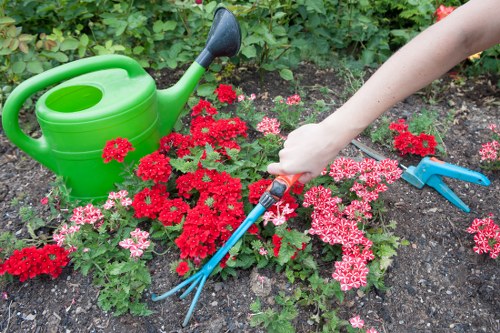
Every lawn is affected by its environment, and Hornsey is no exception. The area’s urban setting means gardens often experience shade, airflow restrictions, and varying levels of foot traffic. Some lawns receive full sun for most of the day, while others spend long hours under trees or beside buildings. These differences matter because grass types respond differently to light, moisture, and temperature.
Soil conditions in Hornsey can also vary significantly. Some properties have heavy clay soil that drains slowly, while others sit on lighter ground that dries out quickly in warm weather. Clay soil can become compacted, especially in family gardens or areas where pets and children regularly use the lawn. On the other hand, sandy or loamy soil may need more frequent watering and feeding to stay healthy. Understanding the soil beneath your lawn is one of the most important steps in effective lawn care Hornsey residents can rely on.
Climate plays its part too. North London lawns typically deal with cool, damp periods in winter and sporadically dry spells in spring and summer. That means a good lawn care routine must be flexible. It should support growth during the active months while protecting turf from stress, disease, and wear during colder or wetter seasons.
Why Regular Lawn Care Matters
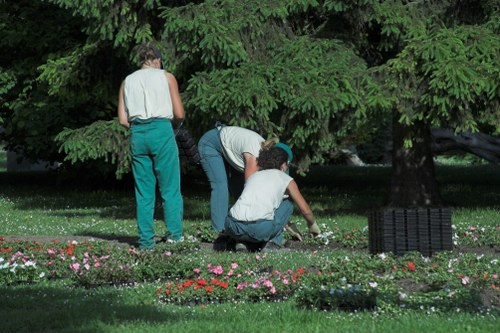
Regular lawn care is not just about appearance. A well-maintained lawn is healthier, stronger, and better able to resist common issues such as weeds, moss, pests, and fungal disease. When mowing, feeding, and watering are done properly, grass develops deeper roots and becomes more resilient over time.
For Hornsey homeowners, this means a lawn that can withstand the demands of everyday life. Children playing outdoors, pets crossing the garden, and frequent use of the space all place strain on the turf. Routine care helps the lawn recover more effectively and reduces the chance of bare patches forming in high-traffic areas.
There is also a visual benefit. A crisp, green lawn instantly improves the overall look of a property. It frames flower beds, complements paving and patios, and creates a sense of order in the garden. For anyone focused on Hornsey lawn maintenance, the rewards are both practical and aesthetic. A tidy lawn sends the right message and makes outdoor spaces more enjoyable throughout the year.
Core Services and Practices for Lawn Care in Hornsey
Effective lawn care in Hornsey usually involves a combination of regular upkeep tasks and targeted treatments. The exact plan will depend on the condition of the turf, the soil type, and how the lawn is used. Below are the most important practices that contribute to a healthy result.
- Mowing: Keeps grass at a healthy height and encourages even growth.
- Feeding: Supplies essential nutrients for colour, density, and root strength.
- Watering: Prevents drought stress and helps grass recover after dry spells.
- Aeration: Relieves soil compaction and improves air, water, and nutrient movement.
- Scarifying: Removes thatch and surface debris that can suffocate the lawn.
- Weed and moss control: Reduces unwanted growth and helps turf thrive.
- Overseeding: Fills thin areas and improves overall lawn density.
These tasks are most effective when they are carried out at the right time of year. A lawn that is mown too short, watered too little, or neglected for too long will quickly lose strength. By contrast, regular maintenance encourages a thicker, more attractive lawn that can handle changing weather conditions in Hornsey.
Mowing the Right Way

Mowing is one of the most visible parts of lawn care, but it is also one of the most misunderstood. Cutting grass too short can stress the turf, expose the soil, and make weeds easier to establish. A better approach is to mow frequently enough to avoid removing too much of the blade at once.
For most lawns in Hornsey, it is best to follow the one-third rule: never remove more than one-third of the grass height in a single cut. This helps the lawn recover quickly and prevents shock. During periods of rapid growth, mowing may be needed weekly. In slower months, less frequent mowing is usually enough.
It also helps to keep mower blades sharp. Dull blades tear the grass rather than slicing it cleanly, leaving frayed edges that can turn brown and increase the risk of disease. If you want your lawn care Hornsey routine to produce a clean, professional look, mowing technique matters as much as mowing frequency.
Useful mowing tips
- Raise the cutting height during dry spells.
- Leave grass slightly longer in shaded areas.
- Change mowing direction from time to time to reduce compaction and ruts.
- Collect clippings if the lawn is overgrown, but leave fine clippings when mowing regularly to recycle nutrients.
Feeding and Soil Health
Healthy grass needs nutrients, and soil quality has a major impact on how well a lawn performs. Hornsey lawns often benefit from feeding in spring and autumn, when grass is actively growing and can absorb nutrients efficiently. A balanced lawn feed supports root development, colour, and recovery after wear.
Slow-release fertilisers are often a smart choice because they provide nutrition over a longer period without encouraging weak, rapid growth. In contrast, overfeeding can cause lush top growth that is more vulnerable to drought and disease. A measured approach is usually best for lasting results.
Soil testing can be extremely helpful if your lawn repeatedly struggles. A test may show whether the soil is acidic, alkaline, nutrient-poor, or compacted. From there, you can choose the right treatment. For example, if moss is a recurring issue, the problem may not be moss itself but poor drainage, shade, or low nutrient levels. In many cases, lawn maintenance in Hornsey works best when feeding is matched to the condition of the soil rather than applied blindly.
Signs your lawn may need feeding
- Pale or yellowish grass
- Slow growth during the main growing season
- Thin patches that fail to fill in
- Weak recovery after mowing or use
Watering: Getting Moisture Balance Right

Watering seems simple, but it is easy to get wrong. Too much water can encourage shallow roots and fungal problems, while too little can leave grass dry, brittle, and patchy. In Hornsey, where rainfall can vary sharply from one season to the next, smart watering makes a noticeable difference.
Rather than watering little and often, it is usually better to water less frequently but more deeply. This encourages roots to grow further into the soil, making the lawn more drought-tolerant. Early morning watering is ideal because it reduces evaporation and gives the grass time to dry before evening, lowering the chance of disease.
Newly seeded lawns and freshly repaired patches need more careful attention, as their roots are not yet established. However, mature lawns often cope better when they are trained to handle occasional dry periods. A thoughtful watering plan is a core part of lawn care in Hornsey, especially through warmer months.
Watering best practices
- Water deeply rather than lightly sprinkling the surface.
- Avoid watering in the middle of the day.
- Focus on areas that dry out fastest, such as south-facing sections.
- Reduce watering when rain is regular and soil moisture remains high.
Dealing with Weeds, Moss, and Bare Patches
Unwanted growth is one of the biggest challenges in any lawn care routine. Weeds compete with grass for light, nutrients, and water, while moss often appears where turf is weak, shaded, or poorly drained. Bare patches can emerge after heavy foot traffic, pet activity, or drought. The good news is that all of these issues can be managed with the right strategy.
Weed control is usually most effective when combined with healthy lawn practices. A dense, vigorous lawn naturally leaves less room for weeds to settle. Regular mowing, feeding, and overseeding all help to reduce weed pressure over time. For persistent broadleaf weeds, a suitable treatment may be needed, but it should be used carefully and at the correct time of year.
Moss control requires more than simply removing the green layer on the surface. If the underlying cause is shade, compaction, or poor drainage, moss will return. Improving air circulation, aerating the soil, and adjusting mowing height can make a substantial difference. For bare patches, overseeding is often the best solution, especially when followed by gentle watering and protection from heavy use. This is where Hornsey lawn care often benefits from a patient, repair-focused approach.
Aeration and Scarifying for Healthier Turf

Aeration and scarifying are two highly effective treatments that improve lawn health from the ground up. Aeration involves creating small holes in the soil to relieve compaction and allow air, water, and nutrients to reach the roots more easily. This is especially useful in Hornsey gardens where soil may be compressed by regular use or heavier ground conditions.
Scarifying, meanwhile, removes thatch and surface debris. Thatch is a layer of dead grass, roots, and organic material that can build up between the grass and the soil. A small amount is normal, but too much can block moisture and nutrients. When thatch becomes excessive, the lawn may look tired, spongy, or prone to disease.
These treatments are not always needed every year, but they can be transformative when the lawn is struggling. In many cases, a combination of scarifying, aeration, overseeding, and feeding can revive tired turf and restore a more even, attractive finish. For anyone investing in lawn care in Hornsey, these seasonal services can make the lawn feel new again.
Benefits of aeration and scarifying
- Improves root growth and access to nutrients
- Reduces waterlogging and surface runoff
- Helps the lawn absorb feeding treatments more effectively
- Creates better conditions for overseeding
Seasonal Lawn Care in Hornsey
A successful lawn plan changes with the seasons. Hornsey lawns respond best when care tasks are timed to match natural growth cycles. This approach prevents stress and supports steady improvement throughout the year.
Spring is the ideal time to wake the lawn up after winter. Raking away debris, mowing carefully, feeding lightly, and repairing damaged areas all help establish strong growth. It is also a good time to assess whether moss or compaction needs extra attention.
Summer focuses on keeping the lawn resilient. Mowing slightly higher, watering deeply during dry spells, and avoiding unnecessary stress are all important. Autumn is excellent for aeration, overseeding, and feeding, as the soil is still warm and moisture levels are usually more reliable. Winter is about minimising damage: avoid walking on frosty grass and keep the lawn clear of heavy debris where possible. A seasonal plan is central to effective Hornsey lawn maintenance.
Choosing the Right Lawn Approach for Different Garden Types
Not all lawns in Hornsey serve the same purpose. Some are ornamental and rarely used, while others are family spaces for play, entertaining, and relaxation. The best lawn care strategy depends on how the lawn is used and what sort of finish you want.
- Family lawns: Need durability, quick recovery, and strong root systems.
- Shaded lawns: Often require longer mowing heights, better airflow, and moss management.
- Front gardens: Benefit from neat edges, balanced growth, and a polished finish.
- Low-maintenance lawns: Need a simpler routine with practical mowing and seasonal feeding.
For a busy household, the priority may be resilience and ease of upkeep. For a decorative garden, appearance may matter more, and finer detailing can take precedence. In either case, lawn care Hornsey residents choose should be realistic, sustainable, and adapted to the space available.
Preventing Common Lawn Problems Before They Start
Prevention is often easier than repair. Many of the most common lawn issues can be reduced by following a consistent routine. Avoiding overwatering, mowing at the wrong height, and neglecting soil health will all help keep problems under control.
Foot traffic is another factor. Repeated walking on the same area can compact soil and create worn paths. If possible, create stepping stones or route movement differently to reduce pressure on sensitive parts of the lawn. In family gardens, rotating play areas can also help protect the turf.
It is also wise to inspect the lawn regularly. Look for changes in colour, texture, and thickness. Early signs of trouble are much easier to deal with than large-scale damage. A proactive approach to lawn care in Hornsey can save time, reduce costs, and produce a stronger result in the long term.
Professional Lawn Care vs DIY Maintenance
Some people prefer to manage everything themselves, while others choose professional help for convenience and expertise. Both approaches have value. DIY maintenance works well if you enjoy gardening, have the time to stay consistent, and are comfortable using lawn treatments correctly. Professional support may be more suitable if the lawn is in poor condition, the garden has complex issues, or the property needs a refined finish.
Professional lawn care services can bring experience, specialist equipment, and a more strategic treatment plan. This can be especially useful for aeration, scarifying, treatment programmes, and repairing damaged turf. A trained approach often helps solve stubborn problems faster and with less trial and error. For many property owners, a blend of regular DIY upkeep and occasional expert help offers the best balance.
Whichever route you choose, consistency is what matters most. A lawn that is cared for regularly will almost always outperform one that is left to recover on its own. If you want dependable lawn care in Hornsey, the most important step is to stay active across the seasons and respond early when issues appear.
Creating a Lawn That Adds Value and Enjoyment
A healthy lawn does more than improve appearance. It creates a usable outdoor space that supports relaxation, socialising, and family life. It can turn a garden into a more welcoming place and make everyday routines feel more enjoyable. Even a small improvement in lawn quality can have a noticeable effect on how the whole property feels.
For homeowners in Hornsey, a well-kept lawn can also contribute to the overall impression of the property. Whether seen from the street or enjoyed from the back door, a neat, vibrant lawn sends a message of care and pride. This is one of the reasons lawn care Hornsey remains such a worthwhile investment.
More importantly, a good lawn provides a practical surface for living. It softens hard landscaping, supports children and pets, and offers a cooling green space in urban surroundings. With the right care, your lawn can become one of the most attractive and useful parts of the garden.
Final Thoughts on Lawn Care in Hornsey
Lawn care in Hornsey works best when it is thoughtful, regular, and suited to local conditions. From mowing and watering to feeding, aeration, and seasonal repair, every step contributes to the long-term health of the turf. There is no single formula that suits every garden, but there is always a better routine waiting to be put in place.
If your lawn is patchy, mossy, or simply not looking its best, now is the right time to act. Start with the basics, focus on soil health, and build a plan that reflects the needs of your garden. Over time, small improvements create lasting results. A greener, thicker, more resilient lawn is entirely achievable with the right care.
Whether you are improving a front lawn, refreshing a family garden, or maintaining a quiet outdoor space, the benefits are clear. Contact us today to discuss your lawn needs, or book your service now and take the next step toward a healthier, more attractive garden in Hornsey.