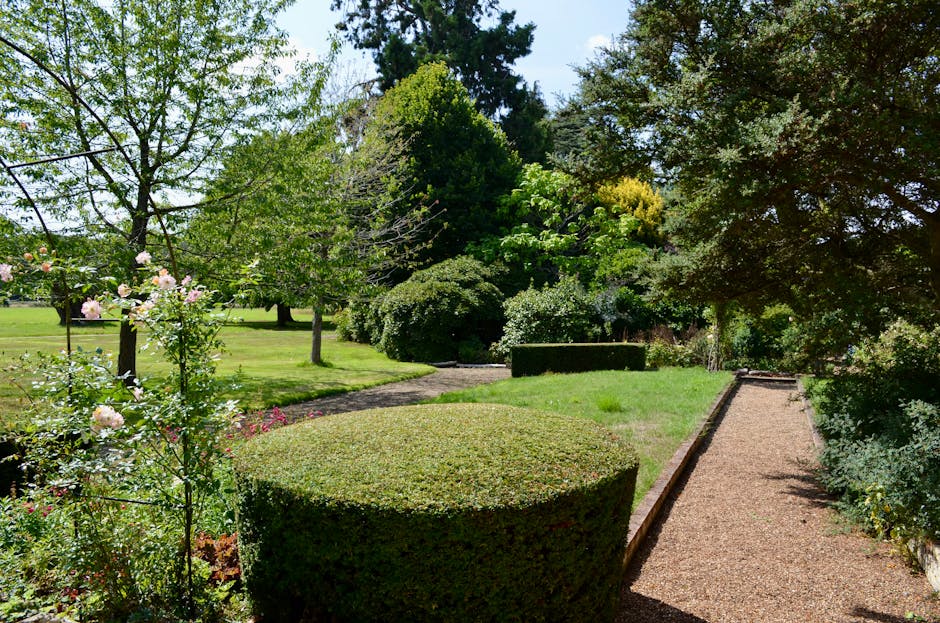
Priory Park Hornsey garden maintenance and planting guide
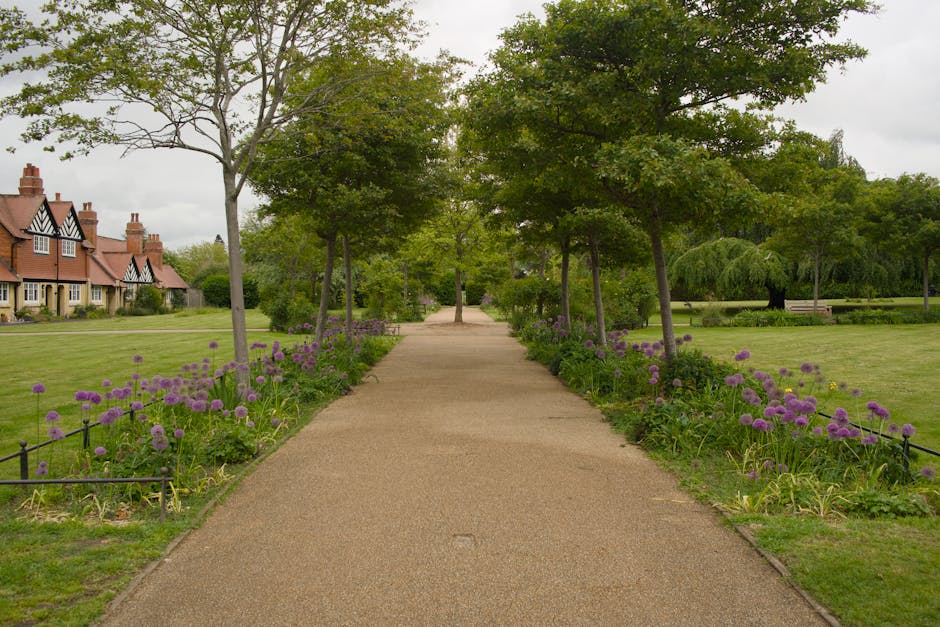
If you are looking after a garden near Priory Park in Hornsey, you already know the rhythm of it: damp leaves after a grey morning, a burst of growth after one mild week, then a quick scramble to stay ahead of weeds, pruning, watering, and planting. A good Priory Park Hornsey garden maintenance and planting guide is not just about keeping things tidy. It is about choosing plants that behave well in local conditions, setting up routines that actually stick, and making the whole space feel calm rather than constantly demanding. That balance matters whether you have a small front garden, a shaded back plot, or a shared outdoor space that needs regular care.
This guide walks through the practical side of garden maintenance in Hornsey: what to plant, when to plant it, how to keep beds healthy, and how to avoid the common errors that waste time and money. Along the way, you will find seasonal advice, a simple checklist, and a few realistic examples that make planning feel far less guesswork. Honestly, that is half the battle.
Why Priory Park Hornsey garden maintenance and planting guide Matters
Gardens around Priory Park and much of Hornsey tend to face a familiar mix of conditions: variable shade, sheltered corners, pockets of wind exposure, compacted soil in busy areas, and the usual London pressure of "we will sort it next weekend" turning into a month of overgrown borders. A maintenance and planting plan gives the garden a bit of structure. Without one, even a nice plot can start to feel tired, thin, or annoyingly messy.
Maintenance matters because plants do not fail all at once. They decline in small ways. A dry patch here. A leggy stem there. A rose left unpruned. A bed that was mulched once, then forgotten. Before long, what should be an easy garden becomes a weekend chore. A proper guide helps you stay ahead of that drift.
Planting choices matter just as much. The wrong plant in the wrong place will ask for constant attention. The right one will settle in, fill space, and support the rest of the garden. If you want a healthier, lower-stress result, the plant list has to match the site. That includes light levels, soil type, drainage, local shelter, and how much time you genuinely have to look after it.
There is also a simple aesthetic reason. A well-kept garden feels different. You notice the shape of the border, the lift of fresh foliage, the clean edge of a lawn after mowing, the way one container softens a patio. It is not just visual. It changes how the whole home feels.
How Priory Park Hornsey garden maintenance and planting guide Works
The guide works best as a system, not a one-off task list. Think of it as four connected parts: assessment, maintenance, planting, and review. Each part supports the others. If one is missing, the garden tends to wobble.
1. Assess the site properly
Start by looking at sun, shade, airflow, drainage, and the amount of space plants actually have to grow. In real gardens, conditions vary more than people expect. A front border may be sunny in spring, then shaded by June. A side return can be dry, windy, and awkwardly narrow. These details shape what will thrive.
If the garden has been neglected for a while, it can help to read up on the early signs of recovery work in the first steps for a neglected garden. That kind of reset is often where good planting starts.
2. Build a maintenance rhythm
Regular maintenance keeps the site stable. That usually means weeding, deadheading, edging, checking for pests, mowing where needed, watering at sensible intervals, and cutting back growth before it overwhelms borders. Small jobs, done consistently, prevent bigger jobs later.
For many Hornsey gardens, regular upkeep is more valuable than occasional heavy work. A tidy fortnightly routine often beats a dramatic monthly clear-out. To be fair, most gardens prefer that too.
3. Choose plants for the actual conditions
Planting should answer a few practical questions: Is the area sunny or shady? Is the soil free-draining or moisture-retentive? Do you want year-round structure, seasonal colour, or edible planting? Are you filling a border, softening a fence, or creating a container display?
For ground-level planting, it can be helpful to look at low-growing species that cover soil and suppress weeds. The ideas in this ground cover guide are useful if you want a denser finish with less bare soil on show.
4. Review each season
What works in April may need adjusting in August. What looks fresh in early autumn may need protection by winter. A good garden guide always leaves room for seasonal review. That means checking which plants have taken, which beds need dividing, and where the layout feels crowded or patchy.
And yes, sometimes the answer is not more planting. Sometimes it is pruning, thinning, or simply letting a plant breathe.
Key Benefits and Practical Advantages
A thoughtful garden maintenance and planting plan delivers more than neat borders. The benefits are practical, visual, and, frankly, a bit reassuring when life is busy.
- Healthier plants: the right plants in the right place need less rescue work.
- Less weed pressure: good ground cover, mulch, and routine attention reduce bare soil.
- Improved resilience: gardens become better at handling dry spells, wind, and sudden rain.
- Better structure: pruning and spacing create shape, not clutter.
- Lower long-term effort: a maintained garden is easier to keep nice than a neglected one is to fix.
- More usable outdoor space: clean paths, tidy edges, and sensible planting make the garden enjoyable, not just presentable.
There is another benefit people sometimes overlook: confidence. Once you know what the garden needs through the seasons, you stop guessing. That feeling alone can make outdoor work much less stressful.
For readers who want a broad, low-friction approach, the ideas in easy gardening with lower costs can help you simplify decisions without cutting corners.
Who This Is For and When It Makes Sense
This guide is useful for a few different kinds of gardeners. Some are hands-on and want a better system. Others want a more beautiful garden but do not want to spend every Saturday fighting it. And some are looking at a patch that has become a little unruly, perhaps after a tenancy change, a long holiday, or one of those endless wet months when everything seems to bolt at once.
It makes sense if you:
- live near Priory Park or elsewhere in Hornsey and want a garden that suits local conditions;
- have borders that are too bare, too crowded, or too weed-prone;
- need a planting plan that gives structure in all seasons;
- want help with upkeep that feels manageable rather than overwhelming;
- are trying to make a front garden, back garden, or patio look cared for without overcomplicating it.
It is also helpful if you are weighing up professional help against DIY work. Some jobs are satisfying to do yourself. Others, like large-scale clearance, hedge shaping, or bringing a tired garden back into order, are often quicker and safer with support. If you are comparing options, garden maintenance services and broader gardening services are sensible places to start thinking through what you actually need.
Step-by-Step Guidance
If you want a practical route through garden maintenance and planting, keep it simple. A garden responds better to steady, sensible action than to a grand overhaul followed by silence. Here is a clean approach.
Step 1: Clear the view first
Before planting anything new, remove dead growth, obvious weeds, broken stems, and anything blocking access. You need to see the bones of the garden. This is where many people go wrong: they try to plant around clutter and then wonder why the result feels cramped.
Step 2: Sort the soil
Check whether the soil is dry, compacted, or thin. If it is heavy and holding water, improve structure before adding thirsty plants. If it is sandy or shallow, choose tougher species and enrich it gradually with organic matter. The principle is simple: do not force a plant to live in a place it clearly dislikes.
For a helpful direction on turning garden waste into something useful, the piece on making waste into soil enhancers is worth a look.
Step 3: Decide on the job each area should do
Not every part of the garden needs to do everything. A border can provide colour, a hedge can provide privacy, a pot can add fragrance, and a shady corner can be softened with texture rather than bright bloom. Assign each area a purpose. It makes planting much easier.
Step 4: Plant in layers
A good planting design usually includes structure, mid-height planting, and low spreaders or ground cover. That layered approach gives fullness without chaos. It also helps hide the bare spaces that tend to make gardens look unfinished.
For shade and vertical interest, the article on shade-enduring climbers can spark ideas for tricky walls or fence lines. If you are trying to build privacy faster, fast-growing hedges are another useful route.
Step 5: Mulch and water properly
Mulching suppresses weeds, locks in moisture, and gives beds a finished look. Water deeply rather than giving tiny, frequent splashes. Most plants do better with less frequent, more thorough watering because the roots are encouraged to grow downwards.
Step 6: Keep a seasonal maintenance loop
Repeat the basics through the year: cut back, feed where needed, weed, edge, inspect, replant gaps, and adjust the scheme. If a section is failing repeatedly, change the plant choice rather than blaming yourself. Gardeners do that all the time. It is normal.
Expert Tips for Better Results
A few practical habits make a disproportionate difference. They are small, but they stack up.
- Use fewer plant varieties, but use them well. Repetition looks calmer than a crowded mix of one of everything.
- Match planting to maintenance time. If you do not have much spare time, avoid plants that need frequent deadheading or fussy staking.
- Prioritise structure before colour. Evergreen shrubs, hedging, and strong foliage will hold the garden together when flowers fade.
- Think about wind as well as sun. Hornsey gardens can feel exposed in odd pockets, especially near open corners and boundary gaps.
- Use containers strategically. Pots are brilliant for renters, patios, and awkward spots where borders are impractical.
If your outdoor space is compact, container gardening can be a smart way to add colour and flexibility without committing to heavy digging. And if your garden has a lot of vertical surfaces, vertical planting ideas can give you more green impact in less square footage.
A small practical note: the best-looking gardens are often not the most planted ones. They are the best edited. That is a bit annoying, but true.
Common Mistakes to Avoid
Most garden problems start with a handful of repeated errors. If you avoid these, you are already ahead.
Planting for the label instead of the site
A plant can look perfect in a catalogue and still fail if the site is too dry, too shaded, or too exposed. Always start with conditions first.
Leaving soil bare for too long
Bare soil invites weeds, dries out quickly, and makes beds look unfinished. Use mulch, ground cover, or temporary fillers while longer-term plants establish.
Overpruning at the wrong time
Some plants tolerate a hard cut, others do not. If you prune everything the same way, you will accidentally remove flowers, weaken shrubs, or spoil natural shape. A little caution goes a long way.
Ignoring seasonal stress
Heat, cold, wind, and excess rain all affect plant health. A good guide does not stop at spring planting. It looks ahead to winter protection and storm resilience too. For that, winterproofing advice and wind protection tips are especially relevant.
Trying to do everything at once
Truth be told, this is the big one. Big weekend overhauls are exciting, then exhausting. A phased approach usually gives better results and fewer regrets on Monday morning.
Tools, Resources and Recommendations
Good tools make maintenance easier and safer. You do not need a shed full of gadgets, just the basics that actually get used.
| Task | Useful tools | Why they help |
|---|---|---|
| Weeding and edging | Hand fork, hoe, edging tool | Speeds up border clean-up and keeps lines sharp |
| Pruning | Bypass secateurs, loppers, pruning saw | Lets you cut cleanly without crushing stems |
| Watering | Watering can, hose, watering wand | Helps you target roots and avoid waste |
| Soil improvement | Compost, mulch, spade, fork | Supports plant establishment and moisture retention |
| Lawn care | Lawn mower, rake, edging shears | Keeps grass neat and prevents a messy perimeter |
For anyone building a kit from scratch, this tools guide is a practical companion. It is especially useful if you are trying to avoid buying things you will never use. We have all done that at least once, haven't we?
Where lawns are part of the picture, consistent care matters more than rescue work. A tidy routine with lawn care support or regular mowing helps the whole space feel intentional. If the garden also includes hard surfaces, then patio cleaning can make planting stand out far more clearly.
For service planning, it can be useful to compare your needs against other outdoor work such as landscaping, tree surgery, or hedge trimming in Hornsey. That helps you separate simple upkeep from jobs that need more specialist attention.
Law, Compliance, Standards, or Best Practice
For a home garden, the main compliance concerns are usually practical rather than bureaucratic. Still, good practice matters.
If trees are close to boundaries, structures, or paths, use care with pruning and removal. Larger tree work may need a qualified approach because poor cuts can damage the tree and create safety issues. Likewise, when working near neighbouring property, fences, shared edges, or overhanging branches, it is sensible to keep communication open and avoid assumptions.
Safety is another non-negotiable. Sharp tools, ladders, slippery patios, and heavy waste bags all carry risk. A responsible gardener follows sensible precautions, works methodically, and avoids rushing. If you are hiring help, it is reasonable to ask about insurance, health and safety, and how waste or access issues are handled. Those are not awkward questions. They are normal ones.
Good practice also means respecting privacy, property boundaries, and any local restrictions that may apply to the wider site. If you are unsure, seek advice before cutting, removing, or altering mature planting. It is much easier to check first than to undo a mistake later.
Options, Methods, or Comparison Table
There is more than one way to manage a garden near Priory Park. The right choice depends on time, budget, and how much change you want.
| Approach | Best for | Strengths | Limitations |
|---|---|---|---|
| DIY seasonal upkeep | Confident gardeners with available time | Flexible, low direct cost, very hands-on | Easy to fall behind if life gets busy |
| Planned maintenance visits | Busy households and steady garden care | Consistent results, less backlog, smoother upkeep | Requires ongoing commitment |
| One-off garden reset | Overgrown or neglected spaces | Fast improvement, clear starting point | Needs follow-up or the garden drifts again |
| Maintenance plus planting refresh | Gardens needing both structure and new life | Improves appearance and long-term performance | Takes more planning upfront |
For many people, the best option is a combination: a proper reset, followed by a lighter maintenance routine and a sensible planting plan. That way you are not endlessly chasing the same problems.
Case Study or Real-World Example
Picture a modest Hornsey back garden with a tired lawn, one shaded border, and a fence line that has become a bit bare. Nothing dramatic. Just the kind of garden that looks as if it has been waiting for attention for too long.
The first move is to clear the border, remove stubborn weeds, and cut back a few shrubs that have started leaning into each other. Then the soil is improved with compost and a mulch layer. Instead of trying to plant dozens of different species, the new scheme uses a small set of reliable plants: one or two structural shrubs, shade-tolerant fillers, ground cover to stop bare patches, and a few containers for seasonal colour.
The fence line gets climbers for height. The lawn is mown regularly, but not scalped. A small patio area is cleaned and kept free of clutter so the planting actually stands out. After a season, the garden looks less patchy and more deliberate. Not perfect. Real gardens rarely are. But it feels calm, and that is the point.
What changed most was not the amount of planting. It was the consistency of care.
Practical Checklist
Use this as a quick pre-season or weekend checklist before you start planting or tidying.
- Check sun, shade, wind, and drainage in each part of the garden.
- Remove dead growth, debris, and obvious weeds.
- Improve the soil with compost or other organic matter where needed.
- Decide which areas need structure, colour, privacy, or low maintenance.
- Choose plants that suit the actual site, not just the look you want.
- Add mulch or ground cover to reduce bare soil.
- Set a watering routine that matches the weather and the plants.
- Inspect for pests, disease, and overcrowding.
- Trim or mow regularly so the garden does not drift into mess.
- Review what worked at the end of the season and adjust next time.
If you want a little extra inspiration for resilient planting, the guide on climate-resilient planting is a useful read, especially as weather patterns keep doing their own thing.
Conclusion
A strong Priory Park Hornsey garden maintenance and planting guide is really about making outdoor care easier to live with. When the planting suits the site and the maintenance rhythm is realistic, the garden stops being a burden and starts becoming part of everyday life. That is the real win.
Start with the site. Build a simple routine. Plant for the conditions you actually have. Then keep adjusting as the seasons move on. Small, steady decisions tend to beat dramatic fixes, especially in a local garden that needs to handle shade, rain, and busy weeks without fuss.
If you are comparing professional help, looking for a garden reset, or simply want a more reliable plan for upkeep, it makes sense to ask for clear advice before problems build up. A little guidance now can save a lot of work later, and your garden will usually show the difference sooner than you expect.
Get a free quote today and see how much you can save.
And once the beds are set, the mulch is down, and the first fresh shoots appear, you will notice something quiet but satisfying: the garden begins to look after itself a bit better too.
Frequently Asked Questions
What is included in a Priory Park Hornsey garden maintenance and planting guide?
It usually covers seasonal upkeep, plant selection, soil improvement, pruning, watering, weed control, lawn care, and practical planning so the garden stays healthy and presentable.
How often should a garden near Priory Park be maintained?
Most gardens benefit from regular attention every one to two weeks during the growing season, then lighter but still consistent care in autumn and winter. The exact rhythm depends on plant density and how fast things grow.
Which plants are best for Hornsey gardens with mixed shade?
Shade-tolerant shrubs, ground cover, and climbers often work well, especially where fences, walls, or buildings reduce light. The key is choosing plants for the real conditions, not the ideal ones.
Is ground cover useful for reducing weeds?
Yes, very much so. Healthy ground cover helps shade the soil, reduce weed germination, and make borders look fuller. It is one of the simplest long-term maintenance wins.
Can I improve a neglected garden without starting from scratch?
Absolutely. A staged reset is often better than a total clear-out. Remove dead growth, tackle weeds, improve soil, then replant in sections. Slow and steady usually works best.
Do I need professional help for hedge trimming or tree work?
For small routine trims, many people manage fine. For taller hedges, larger trees, or work close to structures and boundaries, professional help is often safer and faster.
What is the best time of year to plant in Hornsey?
Autumn and spring are usually the most forgiving planting windows, because soil moisture and temperatures help roots establish. Summer planting can work too, but it needs more watering and attention.
How do I make a small garden feel less cluttered?
Use repetition, fewer plant types, clear edges, and containers only where they add value. A small garden often looks better when it is edited, not packed.
What if my garden gets windy or exposed?
Use sturdy planting, sheltered positioning, and structural support where needed. Hedges, fences, and selected climbers can also help soften gusty areas.
Is lawn care still worth it in a small urban garden?
If you use the space, yes. A well-kept lawn can anchor the whole garden, but if mowing and edging feel like too much, alternatives such as planting beds or containers may be more practical.
How can I keep maintenance costs under control?
Focus on resilient plants, mulch regularly, and avoid overcomplicating the layout. A simple planting scheme with steady upkeep is usually cheaper than repeated rescue work.
Where should I start if the garden feels overwhelming?
Start with clearing, then assess the light and soil, then deal with the worst weeds or overgrowth. Once the space is readable again, the rest becomes much easier to plan.