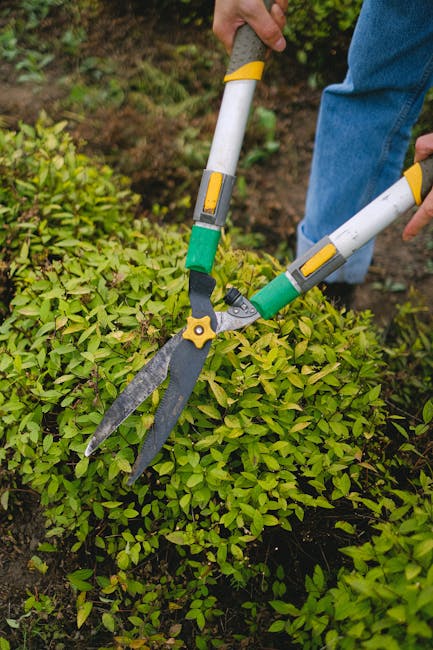
Hornsey station area gardeners for pruning and clearance
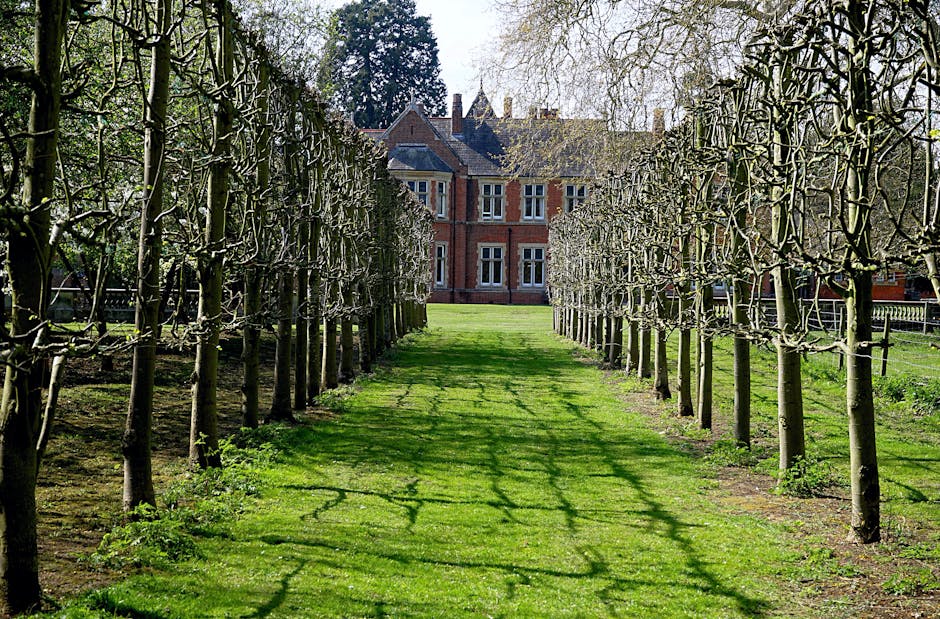
If your garden near Hornsey station has started to feel a bit crowded, tangled, or simply hard to enjoy, you are not alone. A lot of London gardens drift into this state quietly: shrubs lean over paths, climbers overwhelm fences, dead wood builds up, and the whole space starts asking for attention all at once. That is where Hornsey station area gardeners for pruning and clearance can make a real difference. They bring structure back, clear the clutter, and help plants grow better rather than just faster. In this guide, we will look at what the work involves, when it makes sense, how the process usually runs, and how to choose the right approach for your garden.
Why Hornsey station area gardeners for pruning and clearance Matters
Pruning and clearance are not just about making a garden look neat for a weekend. They shape how a garden functions. Around Hornsey station, where outdoor spaces can be compact, overlooked, or tightly bordered by neighbours, the difference between a manageable garden and a stressful one is often a handful of well-timed cuts and a proper clear-out.
Pruning improves plant health by removing dead, damaged, congested, or crossing growth. Clearance removes the material that gets in the way: brambles, fallen branches, leaf litter, self-seeded weeds, old stems, overgrown climbers, and the bits that quietly steal light and airflow. Once that build-up is gone, the garden can breathe again. You notice it immediately. More light. Less crowding. Better access. Honestly, it can feel like someone has opened a window.
This matters even more in urban settings because neglected growth has a habit of spreading sideways into paths, decking edges, fences, and neighbouring boundaries. A tired hedge or an overgrown shrub doesn't just look untidy; it can become awkward to maintain and expensive to put right later. If you want a broader maintenance approach after the initial cut-back, it can help to look at ongoing garden maintenance so the space does not slip back into chaos a few weeks later.
There is also a safety angle. Loose branches, spiky overgrowth, slippery leaf piles, and obstructed paths are the kind of small issues that become annoying quickly, especially when the weather turns wet. In a place like North London, where gardens often stay damp in shaded corners, clearance is as much about reducing risk as improving appearance.
How Hornsey station area gardeners for pruning and clearance Works
Most pruning and clearance jobs start with a simple assessment. A gardener looks at what needs removing, what should be reduced, what must be left alone, and what might need a different trade altogether. That last point matters. Not every overgrown tree or heavy branch is a routine gardening task. Some jobs move into tree work, which is where a specialist service like tree surgery may be more suitable.
After the assessment, the work usually breaks into a few stages:
- Selective pruning to shape shrubs, climbers, hedges, and small trees.
- Clearance of dead material, cuttings, weeds, brambles, and debris.
- Waste handling so the garden is left tidy rather than with a fresh pile of problems.
- Final tidy-up around paths, borders, edging, and access points.
In a typical front or back garden near a station area, the job may also include cutting back growth that blocks sightlines, trimming anything that rubs on fences, and removing dense undergrowth that has become a magnet for litter and damp. If hedges are part of the picture, a dedicated approach like hedge trimming in Hornsey can be the cleaner route because hedges need a different rhythm from general shrub pruning.
Good gardeners work with the plant, not just against the tangle. That means pruning at the right point in the season where possible, avoiding unnecessary stress, and preserving the natural shape of plants rather than hacking everything into submission. There is a big difference between "neatened" and "butchered". Most people can spot it from the pavement, to be fair.
Key Benefits and Practical Advantages
There are obvious benefits, and then there are the quieter ones that only show up once the work is done for a few weeks. Both matter.
1. Better plant health. Pruning removes dead or diseased growth and improves airflow. That can reduce damp-related problems and let the remaining plant energy go into stronger shoots and better flowering.
2. More light and space. Clearance opens up cramped corners, which is especially helpful in terraced gardens, narrow side returns, and shaded plots close to buildings or fences.
3. Easier maintenance. Once the clutter is gone, mowing, edging, watering, and border care all become simpler. Even little jobs stop feeling like a battle.
4. Better access and safety. Clear paths, steps, gates, and seating areas are easier to use and less likely to catch you out in wet weather.
5. Stronger visual appeal. A tidy, well-pruned garden looks deliberate. It feels looked after. That's a huge part of how people experience a home from the outside.
6. A better starting point for future design work. Clearance often reveals what is worth keeping and what needs rethinking. If you are planning a more structured outdoor space later, this is often the first sensible step before landscaping or replanting.
If your garden includes seating, a patio, or a deck, opening up the surrounding planting can make those areas feel more usable straight away. You may also want to pair the tidy-up with patio cleaning or even decking services if the hard surfaces are also looking tired.
Expert summary: The best pruning and clearance jobs do not simply remove growth. They restore balance, improve access, and make future maintenance easier. If a garden feels calmer afterward, that is usually a sign the work was done well.
Who This Is For and When It Makes Sense
This service suits more people than you might think. It is not only for severely neglected gardens, although those are certainly common. In our experience, the most frequent calls come from people who know the garden is slipping, but haven't had the time, tools, or confidence to deal with it properly.
You may need pruning and clearance if:
- shrubs are blocking windows or paths
- hedges have become uneven or too wide
- climbers are smothering fences or walls
- dead stems and leaf litter are building up in borders
- you are preparing a property for sale or rental
- you want to reclaim an outdoor area before spring or summer use
- you've moved into a home with an overgrown garden and don't know where to start
It also makes sense after long spells of wet weather, strong wind, or winter damage. Branches snap, growth sags, weeds set seed, and the garden can go from "fine" to "really needs attention" in one season. If your space has taken a battering from the weather, the guidance in building garden defences for extreme weather and weatherproof your garden with expert wind tips may also be useful afterwards.
For households with children or pets, clearance can be even more practical. Removing thorny growth, sharp broken stems, and trip hazards makes the garden easier to use day to day. It's one of those jobs you keep meaning to do until a child cuts across the border or a dog disappears into a thicket. Then it becomes very real, very quickly.
Step-by-Step Guidance
If you are planning a pruning and clearance visit, or simply want to understand how a proper job should unfold, the following sequence is a good benchmark.
- Walk the garden first. Identify what is blocking access, what is dead, and what is simply too large for the space.
- Separate pruning from clearance. Some plants need shaping. Others need removing entirely. Those are different decisions.
- Check the season and the plant type. A flowering shrub may need to be left until after blooming. A hedge, by contrast, may tolerate a regular trim. Good timing matters more than brute force.
- Start with the worst obstruction. This usually means dead branches, fallen debris, or growth that is blocking paths and gates.
- Prune selectively. Cut back to a healthy point, remove crossing stems, and avoid taking too much at once unless the plant clearly needs a hard reset.
- Clear waste as you go. A garden looks better and works better when cuttings do not sit around in piles.
- Finish with a shape check. Step back. Look at the garden from the house, the path, and the boundary. Small adjustments often make the biggest visual difference.
There is no glory in leaving a job half-done. The real win is when the garden feels easier to walk through and easier to keep that way. A clear, sensible finish beats a dramatic one.
Expert Tips for Better Results
Here's the part people usually skip, and it matters a lot.
Prune with a purpose. Don't cut just because something looks untidy. Ask whether the plant needs air, light, shape, or size control. That question alone prevents a lot of bad cuts.
Avoid removing too much at once. Hard pruning can be useful in some cases, but overdoing it can shock plants and leave large bare patches. If in doubt, go in stages.
Match clearance to future maintenance. If a border is repeatedly filling up with weeds, the solution may not be more cutting. It may be better edging, mulching, or a planting change. A good gardener thinks ahead a bit.
Use the cleared space immediately. After clearance, it is the perfect time to improve a path, reset a bed, refresh soil, or add low-maintenance planting. The space is already open; use that momentum.
Keep an eye on hedges and climbers. These are the most common repeat offenders. If you wait too long, they grow back with enthusiasm. Annoying, but true.
Think in layers. Light pruning above, debris clearance below, and then a final tidy across edges and surfaces. That layered approach creates the best visual result.
If your goal is to reduce future upkeep, it is worth reading a few practical pieces such as secrets to easy gardening with low costs and low efforts and three tips to keep your garden free of weeds. Small habits make a big difference over time.
Common Mistakes to Avoid
Most pruning and clearance problems come from rushing, guessing, or trying to "tidy everything" in one go. That approach rarely ends well.
- Cutting at the wrong time of year. Some plants resent being pruned during active flowering or before frost.
- Removing too much at once. A hard cut can leave plants stressed and exposed.
- Leaving stumps or ragged cuts. These can look messy and may invite dieback.
- Ignoring the final clear-up. A garden can look worse if the cuttings are left behind than if it had not been touched at all.
- Confusing routine pruning with tree work. Big limbs, high canopies, or unstable trunks need specialist judgement.
- Forgetting access and disposal. A beautiful cut-back job is still a headache if waste cannot be removed properly.
One small but common issue: people often trim the most visible side of a hedge and leave the back or top untouched. The result looks fine for about two days, then the imbalance shows. Not ideal.
Tools, Resources and Recommendations
A solid pruning and clearance job depends on using the right tools, and not just sharp ones. It also depends on knowing when to stop using them.
| Tool or resource | Best used for | Why it matters |
|---|---|---|
| Hand secateurs | Small stems, light shaping, deadheading | Gives clean cuts on finer growth |
| Loppers | Thicker branches that are too large for secateurs | Improves leverage and control |
| Pruning saw | Heavier woody stems and stubborn branches | Useful when a clean cut is still needed on tougher material |
| Gloves and eye protection | Brambles, thorny shrubs, overhead clearing | Basic protection that people often underestimate |
| Tarpaulin or garden bags | Collecting cuttings and debris | Speeds up clean-up and keeps routes clear |
| Advice from a local gardener | Severe overgrowth, mixed planting, uncertain pruning timing | Helps avoid damage and wasteful mistakes |
For many homeowners, the smartest "tool" is not a blade but a plan. A short assessment, a clear order of work, and a realistic finish point save more time than trying to do everything in one afternoon. If you are assembling a fuller service package, gardening services may be worth considering alongside pruning and clearance, especially where borders, hedges, and general upkeep overlap.
And if the garden has become so heavy with debris that you are unsure where to begin, a practical read like preparing to combat garden neglect: your first steps can help you get unstuck. Sometimes the hardest part is just starting.
Law, Compliance, Standards and Best Practice
For most domestic gardens, pruning and clearance is straightforward. Still, there are a few sensible standards and cautions to keep in mind in the UK.
First, if branches or hedges sit on a boundary, it is wise to be respectful about what belongs to whom. If growth crosses into another property, the best path is usually to discuss it before cutting, particularly when the plants are mature or shared in feel. No one likes an avoidable boundary dispute over a rose that has simply got a bit ambitious.
Second, larger tree work should be treated carefully. If a tree is substantial, unhealthy, or structurally questionable, the job may need specialist assessment rather than ordinary garden pruning. That is one reason many households separate routine clearance from tree surgery.
Third, safety and waste handling should be managed properly. Good practice generally includes safe tool use, stable footing, clear access routes, and tidy disposal of arisings. If a contractor is working on site, it is sensible to expect professional working methods, clear communication, and attention to insurance and safety details. You can also look through insurance and safety and the company's health and safety policy for reassurance.
Finally, be careful around nesting birds and protected wildlife. This is an area where common sense and caution matter more than speed. If something in the garden looks active, unusual, or delicate, pause and reassess before cutting. That one pause can prevent a lot of trouble.
Options, Methods or Comparison Table
Different gardens need different levels of intervention. Here is a simple way to compare the main approaches.
| Approach | Best for | Pros | Trade-offs |
|---|---|---|---|
| Light pruning | Healthy plants needing shape and airflow | Minimal disruption, neat finish | May not solve heavy overgrowth |
| Full clearance | Neglected beds, brambles, cluttered corners | Fast visual improvement, better access | Needs careful follow-up to prevent regrowth |
| Selective cut-back plus tidy-up | Mixed gardens with shrubs, climbers, and debris | Balanced, practical, usually the safest choice | Takes a bit more judgement |
| Pruning plus wider maintenance | Gardens needing ongoing care | More stable long-term result | Requires more planning and budget |
In many Hornsey gardens, the best answer is a mix: prune the plants that need shaping, clear the debris, and leave room for routine maintenance later. A one-size-fits-all approach is rarely the right one. Gardens have moods, really.
Case Study or Real-World Example
A typical Hornsey station area garden might be a narrow rear space with a mature hedge, a climbing plant on one side fence, a couple of shrubs near the patio, and a patch of border that has quietly turned into a tangle of stems and weeds. Nothing dramatic. Just enough to make the garden feel smaller than it is.
In a situation like that, the work usually begins at the access point. Overhanging growth is cut back first so the gardener can move safely. Then the hedge is thinned and shaped, the climber is reduced where it has pushed too far, and the border is cleared down to the woodier, healthier framework. Dead material is taken away, the patio edge is cleaned up, and the garden suddenly looks wider.
The interesting part is what happens next. Once the light returns, you notice the gaps. Maybe the border needs fresh planting. Maybe the hedge should be kept narrower. Maybe the path feels surprisingly inviting again. That is the value of pruning and clearance: it reveals the real garden underneath the clutter.
For one household, the biggest win might be simply getting the bins around the side passage again without brushing past thorny stems. For another, it might be reclaiming a child-friendly corner so the garden is usable after school. Small changes, but they change how the whole home feels.
Practical Checklist
Use this before arranging work or tackling a smaller clear-out yourself.
- Identify the plants that need pruning, not just tidying.
- Decide which areas are blocked, unsafe, or hard to access.
- Check whether any tree-like growth may need specialist attention.
- Look for signs of dead wood, disease, or storm damage.
- Plan how the waste will be collected and removed.
- Make sure paths, gates, and seating areas are left clear.
- Consider follow-up maintenance so growth doesn't rebound immediately.
- Review whether hedge, lawn, or patio work should be bundled in.
- Prepare to protect delicate plants nearby before work begins.
- Take a quick "before" photo. It helps you judge the improvement later, and yes, sometimes it is oddly satisfying.
If you are planning a bigger refresh, it may be worth looking at related services such as lawn care, lawn mowing, or even landscaping once the pruning and clearance stage is complete. A cleared garden gives you options, which is half the battle.
Get a free quote today and see how much you can save.
Conclusion
Hornsey station area gardeners for pruning and clearance are there to do more than trim a few branches. They help restore order, improve plant health, reduce clutter, and turn an awkward outdoor space back into something you can use properly. That might mean shaping hedges, reducing overgrowth, clearing dead material, or simply making the garden feel manageable again.
The best results usually come from thoughtful, selective work rather than a heavy-handed cut. If you start with the right priorities, keep safety in mind, and follow up with sensible maintenance, the garden will not only look better but feel better to live with. And that, in the end, is the point.
Take the pressure off the garden, and it tends to give a little back. Fresh air. Better light. A calmer view from the window. Not a bad trade at all.
Frequently Asked Questions
What do Hornsey station area gardeners for pruning and clearance usually include?
They usually cover selective pruning of shrubs, hedges, climbers, and smaller trees, plus the removal of dead growth, weeds, brambles, and general garden debris. A tidy final clear-up is normally part of a proper job too.
Is pruning the same as clearance?
No. Pruning is about cutting plants back in a considered way so they stay healthy and well shaped. Clearance is about removing unwanted material and reclaiming space. In practice, the two often go together, but they solve different problems.
When is the best time to book pruning work?
It depends on the plant and the goal. Some shrubs are best cut after flowering, while others can be shaped at different times of year. If you are unsure, a local gardener can usually advise whether to act now or wait for the right season.
Can pruning damage my plants?
Yes, if it is done too hard, too late, or in the wrong place on the plant. That is why selective cutting matters. Good pruning should improve shape and health, not leave the plant stressed and bare.
Do I need a gardener for a small garden near Hornsey station?
Often, yes. Small gardens can actually be trickier because every plant matters and there is less room to absorb mistakes. A few overgrown shrubs can make a compact space feel unusable very quickly.
What happens to the green waste after clearance?
Usually it is gathered, bagged, and taken away as part of the job, though arrangements can vary. It is sensible to confirm this at the start so there are no surprises at the end of the visit.
Can pruning and clearance be combined with hedge work?
Absolutely. In many gardens, hedge trimming is one of the main parts of the wider tidy-up. If hedges are overgrown, a dedicated hedge service can make the whole garden look much more finished.
What should I do before the gardener arrives?
Move ornaments, fragile pots, bikes, toys, or anything else that could get in the way. If you have pet areas or access points that need to stay open, mention them beforehand. A few minutes of prep saves hassle later.
Are there any safety concerns with overgrown gardens?
Yes. Hidden trip hazards, broken branches, slippery debris, and thorny growth can all cause problems. Larger trees or unstable branches may need specialist handling, which is why a proper assessment is important.
Can pruning and clearance help with a garden that has been neglected for years?
Definitely. A neglected garden often needs a phased approach: clear the worst areas first, prune what can be saved, then decide what should be replanted or redesigned. It can look dramatic after the first visit, in a good way.
Will this kind of work improve the look of my property straight away?
Usually, yes. Opening sightlines, reducing bulk, and clearing debris can transform how a property feels from the street or the back window. Even a modest amount of work can make a garden look cared for again.
How do I know whether I need maintenance after the initial clearance?
If the garden fills up quickly with growth, weeds, or dropped material, follow-up maintenance is probably worth it. Ongoing care keeps the garden from sliding back into the same state and makes future visits quicker and easier.