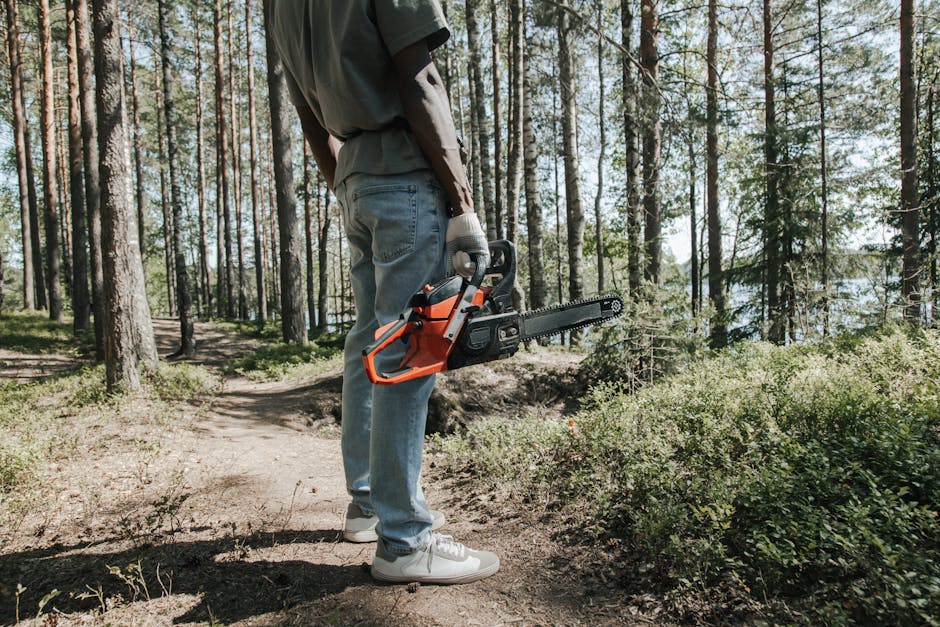
Emergency tree clearance gardeners Hornsey urgent callouts: fast, safe help when a tree becomes a problem
If a tree has split in the wind, dropped heavy limbs across a drive, or started leaning in a way that makes your stomach drop, you do not want a long, vague answer. You want clear guidance, fast action, and a team that knows how to deal with urgent tree problems properly. That is exactly where Emergency tree clearance gardeners Hornsey urgent callouts come in. In practice, this usually means a rapid visit to make the area safe, remove hazardous debris, and decide whether the tree needs partial clearance, controlled reduction, or fuller tree surgery.
To be fair, tree emergencies are rarely neat. They happen after a rough night of weather, a sudden crack you can hear from the house, or when a fence line gives way and everything lands where it should not. This guide explains what urgent tree clearance involves, when it makes sense to call, what happens during a visit, and how to avoid the common mistakes that can make a stressful situation worse. You will also find practical steps, a comparison table, and a checklist you can use straight away.
Quick expert summary: In an emergency, the goal is not to make the tree look perfect on the first visit. The goal is to make people, buildings, and access routes safe, then plan the right follow-up work.
Why Emergency tree clearance gardeners Hornsey urgent callouts Matters
An emergency tree issue is not just a garden tidy-up. It can be a safety problem, an access problem, and sometimes a property-protection problem all at once. A broken branch hanging over a path, for example, can drop without warning. A leaning tree after strong wind may be stable for hours, or it may not. You do not always get much of a second chance with these jobs.
In Hornsey, where homes, fences, garden rooms, paved areas, and side passages often sit quite close together, the consequences of a damaged tree are easy to underestimate. One fallen limb can block a driveway, damage a patio, crush fencing, or stop bins, deliveries, and emergency access. If the tree is near shared boundaries, the situation can get awkward very quickly. Nobody enjoys that phone call, let's face it.
Urgent tree clearance matters because it reduces uncertainty. A trained team can assess whether the tree is safe to leave standing, whether it needs immediate dismantling in sections, or whether temporary measures are enough until more complete work can be arranged. That judgement is often the difference between a manageable job and a much bigger mess later.
For non-emergency work, people often compare wider options such as tree surgery or tree lopping and removal. In a true emergency, though, the first question is simpler: what needs to happen now to make the area safe?
How Emergency tree clearance gardeners Hornsey urgent callouts Works
The process usually starts with a quick phone assessment or message. The main aim is to understand the risk level before anyone arrives. Is the tree touching a building? Is it blocking a road or path? Are there live wires nearby? Is the trunk split, or just a few branches broken? These details help determine whether it is a straightforward clearance job or a more technical tree operation.
Once the team arrives, they will normally look at stability, access, and the safest order of work. In the real world, that may mean removing loose sections first, clearing the ground to create space, and then dealing with the main failure point. If a tree is partially collapsed, it can be a careful, slightly stop-start process. That is normal. Rushing is how people get hurt.
Many urgent callouts also involve deciding what to do with the waste. If the storm has left a tangle of trunks, smaller limbs, leaves, and damaged fencing, clearance often blends into broader garden clearance. If the area is cluttered with old cuttings and debris, the job may be quicker once space is made to work safely.
Good emergency teams will also think ahead. If they remove a dangerous section today, they may recommend follow-up pruning, stump considerations, or a later visit for full tidy-up. In other words, the first job is safety; the second job is putting the garden back into a sensible state.
Key Benefits and Practical Advantages
The most obvious benefit is immediate risk reduction. That sounds obvious, but in a fast-moving situation obvious is good. A secure site means less chance of injury, less chance of further collapse, and less chance of a small problem turning into a bigger insurance headache.
There are also practical advantages that people often miss:
- Access is restored faster. A blocked driveway, path, or side gate can be reopened sooner.
- Further damage may be limited. Removing weight from a damaged structure can stop secondary failure.
- Neighbours are less affected. Shared fences and boundary features are easier to protect when action is prompt.
- The work is more controlled. An urgent response often prevents panic cutting, which can leave unstable stubs and awkward branch angles.
- You get a clearer plan. A proper assessment helps you decide whether the tree can be saved, reduced, or must be removed.
There is a quiet reassurance in getting the right people out quickly. You hear the saw start up, see the falling twigs being managed, and realise the worst of the chaos is already being tackled. It changes the mood of the whole day.
For some properties, emergency clearance is just the first step before related work such as fencing repairs, patio cleaning, or even broader landscaping to restore a damaged outdoor area. That wider view matters because storm damage rarely respects neat service boundaries.
Who This Is For and When It Makes Sense
Emergency tree clearance is for anyone dealing with an immediate hazard, but the trigger points vary a bit. A homeowner might call because a tree has split over a terrace. A landlord might need fast help after a branch blocks shared access. A business owner may need a path cleared before opening hours. And in a terrace or semi-detached setting, one person's tree problem can become everyone's problem very quickly.
You should strongly consider urgent callout support if you have any of the following:
- large branches hanging loose after wind or snow
- a leaning tree that was not leaning before
- a split trunk or visibly torn roots
- an access route blocked by fallen timber
- damage to fences, sheds, decks, or garden structures
- branches rubbing against windows, roofs, or gutters
- a tree pressing on a boundary line after a storm
Sometimes people delay because the tree still looks "mostly upright". That can be misleading. Trees are living structures, and a hidden fracture can be worse than a dramatic-looking but stable branch. If something sounds cracked, creaky, or unstable in the wind, trust that instinct. It is often right.
Urgent callouts also make sense after a gradual issue becomes sudden. A limb may have been dead for months, then a gust finally brings it down. Or a previously fine tree may have suffered root damage from nearby works. The appearance of the problem is often sudden even if the cause has been building for a while.
Step-by-Step Guidance
If you think you may need urgent help, here is a sensible way to handle it without making things more complicated.
- Stay clear of the danger zone. Do not stand under hanging branches or near a leaning trunk. Sounds basic, but people do wander closer than they should.
- Check for immediate hazards. Look for damaged cables, broken glass, unstable fencing, or blocked exits. If anything looks electrical or life-threatening, treat it as a serious safety issue first.
- Take a few photos from a safe distance. This helps explain the situation and can be useful for records later. Keep it brief; this is not the time for a creative photo shoot.
- Describe access clearly. Mention whether the tree is in a front garden, rear garden, alley, or shared driveway. Access affects the response plan more than many people realise.
- Explain what changed. Was there a storm, a crack, a sudden lean, or visible collapse? The cause helps guide the first response.
- Ask what can be done immediately. The best answer may be partial clearance, secure removal of loose material, or a full emergency dismantle.
- Arrange follow-up work if needed. Sometimes a safe temporary solution comes first, then fuller tidying, pruning, or replacement planting later.
If the tree has affected a larger garden layout, it may be worth discussing connected work such as garden maintenance once the emergency is under control. That helps stop the space drifting into a state of half-cleared chaos, which nobody wants for long.
Expert Tips for Better Results
One useful rule: do not focus only on what has already fallen. The danger is often what is still partly attached. A half-snapped limb can behave unpredictably, especially if wind picks up again later in the day. Morning callouts after a storm can be the most awkward, because everything still looks wet, heavy, and unstable. In those moments, caution wins.
Another practical tip is to be specific about tree size and location. A small apple tree in an open lawn is a very different job from a mature tree overhanging a narrow rear passage. The latter may require more careful dismantling, more manual handling, and more controlled waste removal. Those details save time on site and make the visit more efficient.
If the tree is close to a structure you care about, say so plainly. Decking, sheds, boundary panels, and rooflines all need different handling. If a damaged tree has affected outdoor timber or paved areas, services such as decking services or patio cleaning may come into the conversation once the immediate danger has been removed. Not because those are emergency tasks, but because the whole space often needs a recovery plan.
A final tip: do not underestimate the value of an honest description. If you say, "It looks bad, but I am not sure how bad," that is useful. If you try to downplay a clear hazard because you want to sound calm, the response may be less suitable. Calm is good. Accurate is better.
Common Mistakes to Avoid
Emergency tree jobs are full of avoidable errors, and most of them come from understandable panic. Still, they can make a bad situation worse.
- Walking beneath damaged limbs. Even a branch that appears stuck can shift without warning.
- Trying to cut large sections yourself. A chainsaw and a wobbly ladder are a poor mix, frankly.
- Ignoring fences, walls, or garden structures. The tree may be the headline, but secondary damage matters too.
- Waiting too long for "the wind to settle". Sometimes the wind settles; sometimes the next gust is the one that matters.
- Assuming the tree is safe because it still has leaves. Leaf cover does not equal structural soundness.
- Forgetting about neighbours and shared access. A blocked boundary can affect more than one property.
Another common mistake is asking for a cosmetic tidy when the tree still has a live hazard. You can always improve the appearance later. Safety first, prettiness second. There is no prize for a nice-looking dangerous branch.
Tools, Resources and Recommendations
For urgent clearance work, the "tools" are not just saws and ropes. The real toolkit includes judgement, access planning, and waste handling. On a proper job, a team may need pole tools for awkward reach, lowering equipment for controlled dismantling, protective gear, and clear segregation of the work zone.
From a homeowner's point of view, the most useful resources are surprisingly simple:
- a phone for photos and fast communication
- a safe point of access to the garden, if possible
- basic notes about what happened and when
- proof of permission if the tree sits on shared or managed land
- a rough idea of what nearby structures might be affected
If the emergency leads into a broader outdoor clean-up, the right next step may be gardening services to restore order, or a deeper reshaping through landscape gardening if the storm has changed how the space functions. Sometimes a good clear-out reveals a better design opportunity, which is a small silver lining.
For ongoing prevention, it is also worth building in routine care. Services like hedge trimming, lawn care, and lawn mowing do not solve tree risk by themselves, but they improve visibility around the base of plants and make early warning signs easier to spot.
Law, Compliance, Standards and Best Practice
Tree emergencies can sit near several areas of UK best practice, even when the immediate job is straightforward. A responsible team should work with proper safety methods, sensible access control, and suitable public-liability and employer protections. If you are hiring urgent help, it is reasonable to ask how safety is managed, especially where the work is close to structures, pathways, or shared spaces.
In practical terms, this means checking for a few basics: the team should explain the risks clearly, work in a way that keeps people away from the danger area, and avoid unnecessary damage while removing the hazard. If the tree is near a boundary or shared property, good communication matters just as much as the cutting itself. That is the human side of the job, and it matters.
For customers, the sensible approach is to review service terms, payment expectations, and insurance confidence before work starts where possible. If a callout is truly urgent, there may be less time for paperwork, but transparency still matters. It is also wise to understand how waste is handled, especially if the job produces a large volume of green material and broken timber. If sustainability is important to you, ask about it directly; many people do, and rightly so. A tidy finish should still be a responsible one.
When a job involves barriers, access changes, or neighbouring land, the team should use best practice rather than improvisation. That means not taking unnecessary shortcuts, not overreaching with unstable cuts, and not pretending a dangerous tree is "fine for now" just to move on quickly.
Options, Methods, or Comparison Table
Not every urgent tree problem needs the same approach. The table below gives a simple comparison of the most common options.
| Approach | Best for | Typical outcome | When it is not enough |
|---|---|---|---|
| Emergency clearance | Immediate hazards, blocked access, storm damage | Area made safe, loose material removed, access restored | When the tree is structurally unsound and needs fuller work |
| Tree surgery | Damaged limbs, pruning, structural correction | Better long-term tree shape and reduced risk | When the tree is already collapsing or blocking access right now |
| Tree removal | Severely unsafe, dying, or irreparably damaged trees | Complete removal of the problem tree | When a smaller reduction or pruning would preserve a healthy tree |
| Garden clearance | Debris, branches, damaged materials, mixed waste | Site cleaned and made usable again | When there is still an active hazard overhead |
The right choice depends on what is actually happening on site. A snapped branch over a lawn is one thing. A split trunk over a conservatory is another. Sometimes the answer is a combination of emergency clearance first, then tree surgery later, then garden restoration after that. A bit of sequencing goes a long way.
Case Study or Real-World Example
Here is a realistic example from the kind of situation Hornsey properties can face after a blustery night. A homeowner wakes up to find a heavy branch partially down across the rear path, with smaller twigs scattered across the patio and one side of a fence crushed near the base. The tree is still standing, but the branch is hanging awkwardly and moving in the wind.
The first step is not to drag the branch by hand. Instead, the area is kept clear, photos are taken from a safe distance, and the access point is explained clearly. On arrival, the team checks the branch tension, makes the loose material safe, and cuts back the unstable section in a controlled way. Once the immediate danger is gone, the patio and path are cleared, and the homeowner can use the garden again without feeling like a branch is about to clatter down behind them.
That job might then lead to a slightly broader tidy-up. Maybe the fence needs attention. Maybe the tree needs a follow-up reduction. Maybe the lawn is now covered with debris and needs a proper reset. It is rarely just one task, which is why coordinated services matter. The relief is obvious, though. You can hear it in the way people speak once the danger has been taken away. Shorter sentences. Less tension in the shoulders. A bit of normal life back.
Practical Checklist
Use this quick checklist if you are dealing with a suspected tree emergency in Hornsey.
- Keep everyone away from the damaged tree and drop zone.
- Look for broken glass, damaged fencing, or blocked exits.
- Check carefully for any electrical hazard nearby.
- Take a few clear photos from a safe position.
- Note the time, weather, and what changed.
- Describe access routes, gates, and boundary issues.
- Ask whether the job needs immediate clearance or fuller tree work.
- Plan for waste removal and a tidy finish.
- Consider follow-up services if the garden has been left uneven or cluttered.
- Keep records of the visit and any recommendations.
If you want to prevent repeat issues, a routine care plan can help. Even simple jobs like garden maintenance and periodic tree surgery assessments make future emergencies less likely, or at least less dramatic. Which, honestly, is probably the goal.
Conclusion
Emergency tree clearance gardeners Hornsey urgent callouts are about more than speed. They are about calm judgement, safe working, and restoring order when a tree has become an immediate problem. The best outcome is not always the flashiest one. Sometimes it is simply a path reopened, a fence no longer under strain, and a garden that feels safe again by the end of the day.
If you are unsure whether the situation is urgent, treat anything cracked, leaning, hanging, or blocking access as a live concern until a professional assessment is made. That small bit of caution can save a lot of hassle. And if the rest of the garden needs attention afterwards, there is nothing wrong with taking the recovery step by step. That is often the sane way.
Get a free quote today and see how much you can save.
For service details, company information, and practical next steps, you can also review the site's pages on pricing and quotes, insurance and safety, and about us. If you are ready to talk through a live issue, start with contact us.
Frequently Asked Questions
What counts as an emergency tree clearance job?
An emergency job is usually any situation where a tree or large branch creates immediate danger, blocks access, or risks further damage. That includes split trunks, hanging limbs, trees leaning after a storm, and fallen timber across paths or drives.
Can I wait until the weather improves before calling?
Sometimes, yes, if the tree is stable and only minor debris is involved. But if the tree is leaning, cracked, or touching a building, waiting can make things worse. The safest choice is to get it assessed sooner rather than later.
Do emergency callouts always mean full tree removal?
No. Quite often the first visit is about making the site safe, not removing the entire tree. A team may do partial clearance, remove loose sections, or stabilise the situation before recommending follow-up work.
What should I do before the gardeners arrive?
Stay away from the hazard, keep children and pets clear, and take photos from a safe distance if you can. If access is blocked, do not force your way through unstable branches or fallen timber.
How quickly can an urgent callout be handled?
That depends on the level of risk, the time of day, and access conditions. True emergencies are normally prioritised, but a complex site may still need planning before work begins. Speed matters, but safety comes first.
Will the team clear away the branches and debris?
Usually, yes. Emergency tree clearance normally includes removing hazardous material and restoring safe access. If there is a lot of mixed green waste or storm debris, the job may blend into broader garden clearance.
What if the tree has damaged my fence or patio too?
That is common. A tree failure often affects nearby structures at the same time. Once the hazard is removed, you may need fencing repairs, patio clean-up, or wider landscaping work to put the space right again.
Is tree surgery better than emergency clearance?
They solve different problems. Tree surgery is often better for planned pruning, reduction, or correcting a tree's structure. Emergency clearance is for immediate hazards and fast safety work. In some cases, both are needed in sequence.
How do I know if the tree is actually unsafe?
Look for obvious signs like fresh splits, heaving roots, hanging limbs, or sudden leaning. But it is not always obvious to an untrained eye. If the tree looks or sounds wrong after wind or impact, it is sensible to treat it as unsafe until checked.
Do I need permission if the tree is on a boundary?
If the tree is shared, on managed land, or tied to neighbouring property, it is wise to be careful about permission and communication. In an emergency, safety still comes first, but ownership and responsibility should be clarified as soon as possible afterwards.
What happens after the emergency is dealt with?
Once the immediate risk is gone, the next step is usually a tidy finish and a follow-up plan. That may involve more tree work, garden maintenance, or restoration of damaged areas. The best teams do not stop at the dangerous branch; they help you see the whole picture.
Can emergency tree clearance be done in the rain or wind?
Often yes, if the situation requires it, but only when it can be done safely. Weather can make access and cutting more difficult, so the team will judge conditions on the day. Sometimes the most sensible choice is to secure the scene first and return for the remaining work.