Avoid hidden gardeners charges in Hornsey: what to know before you book
If you are trying to avoid hidden gardeners charges in Hornsey what to know before hiring anyone, you are already asking the right question. Garden work can look straightforward at first glance, then suddenly the bill grows legs: waste removal, extra labour, tool hire, access issues, green waste bags, "call-out" fees... you know the sort of thing. Truth be told, most bad surprises do not come from the gardening itself. They come from unclear quoting.
This guide breaks down how to spot hidden costs, what a proper quote should include, where people in Hornsey often get caught out, and how to compare garden services without getting lost in sales talk. It is written for homeowners, landlords, tenants, and anyone who simply wants a tidy garden without the awkward after-the-fact invoice.
And yes, we will keep it practical. No fluff, no mystery. Just the details that help you spend wisely and ask better questions.
Why Avoid hidden gardeners charges in Hornsey what to know Matters
Garden services are often booked quickly. A hedge is getting wild, the lawn is patchy, weeds are taking over the patio edge, and you just want it sorted. That urgency is exactly where hidden charges slip in. If you have ever accepted a quote because it sounded neat and simple, only to later find "extras" added for things you assumed were included, you already understand the problem.
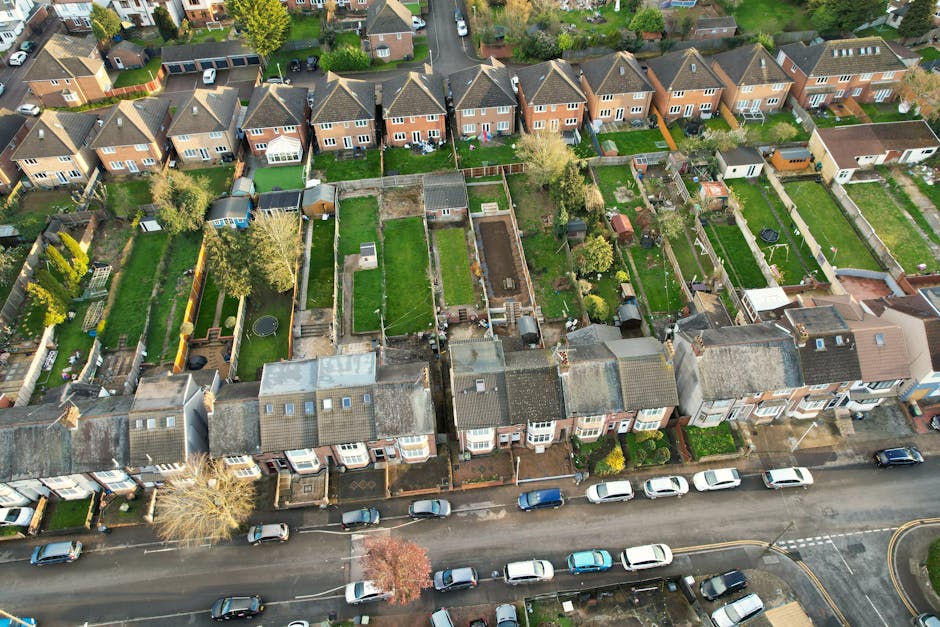
In Hornsey, where gardens can range from small terrace plots to larger family gardens tucked behind period homes, the job description matters a lot. Access may be tight, parking may be awkward, and some gardens need more prep than they first appear to need. A fair quote should reflect that, but it should also be transparent enough that you know what you are paying for.
Why does it matter so much? Because hidden charges do more than inflate the final bill. They create doubt. They make it harder to compare services, harder to budget for recurring garden care, and harder to trust the people doing the work. That is a shame, because good gardening help should make life easier, not more stressful.
If you are comparing broader garden help, it can also be useful to understand the shape of the work itself. Service pages such as gardening services, garden maintenance, and lawn care can help you see where one job ends and another begins. That distinction matters when a quote is being built.
Expert summary: the best way to avoid nasty surprises is not to chase the cheapest quote. It is to compare clearly defined work, ask about extras in plain language, and get the final scope confirmed before anyone starts cutting, digging, or clearing.
How Avoid hidden gardeners charges in Hornsey what to know Works
Most hidden charges appear because the quote is built around assumptions instead of specifics. One gardener thinks "hedge trimming" includes light shaping only. Another means trimming, waste collection, and a tidy-up. A client hears one thing and the invoice tells a slightly different story. Not ideal.
In practice, the process usually works like this: a gardener assesses the garden, gives a price, then adjusts later if something was not visible or not discussed. Some adjustments are fair. For example, if a garden is overgrown and there is much more material than expected, extra labour can be reasonable. The issue is not adjustment itself. The issue is when that adjustment was never explained up front.
You will also see hidden charges tied to "optional" items that are not really optional once the work begins. Think waste removal, disposal bags, fuel surcharges, additional visits, or a minimum booking fee if the work takes less time than expected. Small amounts, perhaps, but they add up fast.
Here is a simple way to think about it:
- Base price = the core labour or service.
- Extras = anything not clearly included, such as disposal, heavy clearance, or specialist tools.
- Conditions = access, parking, garden size, season, and overgrowth level.
- Final cost = base price plus any agreed extras, confirmed before work starts.
That sounds obvious. Yet in real life, it is the missing middle that causes the upset. A quote may be technically correct but still not useful if the gardener did not spell out what happens when the job takes longer or the waste pile is larger than expected.
If the work involves hedges, this becomes even more important. Hedges can hide a lot. If you need a fuller sense of how the job is usually described, the page on hedge trimming in Hornsey is a useful reference point, as is related reading like crafting better hedge shapes.
Key Benefits and Practical Advantages
There is a very practical upside to being careful with quotes. You save money, yes, but you also save time and emotional energy. That may sound a bit grand, but anyone who has argued over a surprise fee for green waste removal knows what a relief clarity can be.
- Budget control: you can compare like with like instead of guessing what is included.
- Better service quality: clear pricing often goes hand in hand with clearer work standards.
- Less disruption: a well-scoped job is less likely to stall halfway through.
- Improved trust: transparency usually tells you a lot about how a company works.
- Repeatability: once you understand the pricing model, future bookings become much easier.
For many Hornsey households, the real win is confidence. You can agree to a one-off tidy-up or regular maintenance without feeling like you need to keep one eye on the invoice. That peace of mind is worth something.
It also helps you choose the right service level. Maybe you do not need full landscaping, just seasonal upkeep. Maybe the lawn needs attention, but the borders can wait. If you understand pricing properly, you are less likely to overbuy. And, to be fair, many gardens do not need the "everything at once" treatment people are sold.
When you know what to ask, you can also pick the right service pages to explore, whether that is lawn mowing, patio cleaning, or broader landscaping. Each one should have its own pricing logic.
Who This Is For and When It Makes Sense
This is not just for people who have been stung before. It is for anyone who wants to plan well. Homeowners in Hornsey with busy family schedules. Landlords preparing a property for new tenants. Older residents who need reliable help but do not want to micromanage every detail. New homeowners who have inherited a garden that looks lovely in photos and slightly feral in daylight.
It also makes sense if you are booking specialist work. Tree-related jobs, fencing, decking, or larger garden projects often have more moving parts and more room for assumptions. If the garden job involves heavy lifting, material removal, or complex access, the price needs careful checking from the start.
Some of the pages that help you understand those job types are tree surgery, fencing, and decking services. Different job, different risks, different cost structure. Simple as that.
This matters most when:
- the garden has not been maintained for a while;
- the area is difficult to access;
- waste removal is likely to be significant;
- the service is recurring rather than one-off;
- you are comparing several providers and want a fair comparison.
Also, if you are not sure what level of maintenance your garden needs, that is perfectly normal. Lots of people are unsure until someone points out the difference between a light tidy and full restoration. It happens all the time.
Step-by-Step Guidance
Here is the simplest way to avoid unexpected gardening costs without turning the whole thing into a project of its own.
- Describe the job clearly. Say what you need done, where, and how urgently. Mention overgrowth, waste, access issues, and anything fragile.
- Ask what the price includes. Labour, materials, waste removal, travel, parking, fuel, tool hire, and any follow-up visit should be covered in plain English.
- Ask what counts as an extra. This is where the money tends to move. Extra weeds, additional hedge height, stump-related work, or disposal above a certain volume may all cost more.
- Request a written quote. Even a short written summary is better than a verbal agreement. It gives both sides something to refer back to.
- Confirm the timing. If the work is seasonal or weather dependent, make sure you understand whether delays affect the price.
- Check the cancellation or rescheduling policy. Nobody loves this bit, but it matters if plans change.
- Review payment terms. Ask when payment is due, what methods are accepted, and whether deposits are required.
A practical tip: if a quote feels vague, ask the same question twice in a slightly different way. "Is waste removal included?" and "Will there be any disposal charge on top of the quote?" Often, the answer becomes much clearer the second time. Slightly annoying, yes. Effective, also yes.
If you want to compare prices carefully, the page on pricing and quotes is a useful place to start thinking about structure rather than just headline numbers. And if payment security is on your mind, the payment and security page is worth a look too.
Expert Tips for Better Results
After enough garden quotes, one pattern becomes obvious: the people who ask the best questions usually get the cleanest pricing. Not always, but often enough to matter.
- Get a breakdown, not a headline. A low total is not helpful if it hides extra charges. Ask how the number was reached.
- Clarify waste volume. Green waste is one of the most common surprise costs. Ask whether disposal is capped or charged per load.
- Be honest about garden condition. If the lawn is very long or the borders are packed with weeds, say so early. That helps the quote reflect reality.
- Ask about minimum charges. Some jobs are priced to cover a minimum visit length, even if the task is small.
- Use photos where possible. A few clear pictures can help avoid underquoting and later arguments. Handy, really.
- Match service to need. A simple tidy-up should not be priced like a restoration job, and vice versa.
Another useful habit is to ask how the company handles changes during the job. If they uncover more work than expected, do they stop and ask before continuing, or do they go ahead and bill later? That one question can save a lot of friction.
If your garden is being maintained throughout the year, seasonal work can also affect the budget. Spring growth, autumn leaf fall, and winter tidying all bring different demands. For advice on planning around the weather, weather resilience and winter protection are good reminders that garden work is rarely static.
Common Mistakes to Avoid
Most people do not get caught out because they are careless. They get caught out because they are busy. That is a fair distinction.
- Choosing the cheapest quote without checking scope. Cheap can be fine. Cheap plus vague is where trouble starts.
- Assuming waste removal is included. This is one of the biggest traps.
- Not mentioning access constraints. Long carrying distances, stairs, narrow side gates, or parking issues can all affect time and price.
- Forgetting to ask about VAT or additional fees. If a figure sounds too neat, check whether anything else sits outside it.
- Mixing one-off and recurring pricing. Regular garden care often costs differently from a single clearance.
- Accepting verbal promises only. Friendly is lovely. Written is safer.
One small but common mistake: people describe a garden job as "just a quick tidy." That phrase can mean almost anything. To the gardener, it may mean pruning, edging, weeding, sweeping, and binning cuttings. To the homeowner, it may mean five minutes with secateurs and a bag. Not quite the same thing.
If you are dealing with an overgrown space, it is worth reading about first steps for neglected gardens. It helps you estimate what a restoration job really involves, and that directly affects cost expectations.
Tools, Resources and Recommendations
You do not need fancy software to control garden spending. A notebook, a few photos, and a calm checklist will do most of the work. Still, a couple of tools can make things easier.
- Phone camera: take wide shots of the whole garden and close shots of problem areas.
- Simple measurement app or tape measure: useful for lawns, paths, hedges, and raised beds.
- Written list of tasks: note what you want done now and what can wait.
- Calendar reminders: handy for repeat maintenance and seasonal clean-ups.
- Comparison notes: keep each quote on the same page so you can compare properly.
There are also some useful reading resources on the site if you are planning work around the garden itself. For example, choosing the right tools can help you understand what equipment might be needed for a job, while weed control tips can reduce future maintenance needs. Less future mess, fewer future surprises.
If your garden is more of a design-and-structure project, browsing broader gardening services alongside specific maintenance pages gives you a better sense of what may be bundled and what may not.
Law, Compliance, Standards, or Best Practice
When pricing garden work in the UK, the safest approach is to follow transparent business practice rather than rely on assumptions. You do not need to become a contracts expert, but you should expect a clear scope of work, clear payment terms, and clear communication if the job changes.
For customers, that means asking for plain-language quotes and keeping records of the agreement. For providers, it means being upfront about exclusions, extra labour, access conditions, and waste disposal. That is good practice even when no formal dispute exists. It avoids awkwardness later, and it supports trust.
Depending on the work involved, there may also be safety and insurance considerations. If equipment, ladders, cutting tools, tree work, or heavier clearance is involved, it is reasonable to ask how safety is handled and whether the company carries appropriate cover. You can also review the site's health and safety policy and insurance and safety information to understand the standards being followed.
For payment clarity, the practical norm is simple: agree what will be paid, when, and by which method before work begins. That may sound dry, but it is the sort of dry that keeps the garden conversation pleasant.
And if something does not feel right, a transparent complaints route is a good sign. A provider that explains how issues are handled usually takes client concerns seriously rather than brushing them aside. That matters.
Options, Methods, or Comparison Table
Not every pricing model works the same way. Here is a simple comparison to help you judge quotes without getting tangled in jargon.
| Quote style | What it means | Strength | Risk |
|---|---|---|---|
| Fixed quote | One agreed price for a defined scope | Easy to budget | Can exclude extras if the scope is vague |
| Estimate | A likely price that may change with conditions | Useful when the job is hard to assess | Final bill can rise if details were missed |
| Hourly rate | You pay for time spent on the job | Flexible for unpredictable work | Harder to forecast total cost |
| Task bundle | Several jobs grouped together | Efficient for maintenance visits | May hide which task costs what |
For most people trying to control hidden charges, a fixed quote with a clear scope is the easiest option. That said, if the garden is badly overgrown or full of unknowns, an estimate may be more realistic at the start. The key is not the format itself. It is the clarity behind it.
If you are comparing services, it can also help to check whether the provider offers related work such as lawn mowing or patio cleaning as separate tasks rather than folding everything into one vague price. Clear separation often makes the quote easier to trust.
Case Study or Real-World Example
Imagine a Hornsey resident with a medium-sized back garden. The lawn is long, the hedge needs shaping, and there is a fair amount of leaf litter around the patio. They ask for a "quick tidy" and receive a low quote that sounds attractive. No breakdown. No mention of waste. No discussion of access.
On the day, the gardener discovers the hedge is denser than expected, the trimmings are heavier, and the rear access means everything must be carried through a narrow side path. The bill rises. Not because anyone is being dishonest in a dramatic sense, but because the original scope was too loose to hold the work together.
Now compare that with a clearer approach. The homeowner sends photos, lists the exact tasks, asks what happens with green waste, checks whether the quote includes labour and disposal, and confirms the payment method. The price may be a little higher upfront. But the final bill is less likely to wobble.
That is the real lesson. A good quote is not just a number. It is a shared understanding. Once you have that, the job tends to go more smoothly, and everyone breathes easier. You can almost hear the garden settling down.
Practical Checklist
Use this before you accept any gardening quote in Hornsey.
- Have I clearly described the garden and the work needed?
- Have I asked what the quote includes?
- Have I asked what counts as an extra charge?
- Do I know whether waste removal is included?
- Have I confirmed whether the price is fixed, estimated, or hourly?
- Have I discussed access, parking, and carrying distance?
- Have I asked about deposits, payment timing, and accepted payment methods?
- Have I checked whether the work may change due to weather or hidden conditions?
- Do I have the agreement in writing?
- Do I understand the process if something goes wrong?
If you can tick most of those off, you are in a much stronger position. Not perfect, maybe, but properly prepared. And that counts for a lot.
Get a free quote today and see how much you can save.
Conclusion
To avoid hidden gardeners charges in Hornsey, the real trick is simple: slow the process down just enough to make it clear. Ask for scope, confirm extras, check waste removal, and get the price in writing. That is where the savings live.
Whether you need a one-off tidy-up, regular maintenance, or a bigger outdoor project, a transparent quote gives you control. It lets you compare services properly, plan your budget, and keep the whole experience pleasantly un-dramatic, which is honestly what most people want.
So take the extra minute. Ask the awkward question. Get the details. Your garden will still be there, and so will your peace of mind.
Frequently Asked Questions
What are hidden gardeners charges in practice?
They are extra costs that were not made clear before the job started, such as waste removal, extra labour, tool hire, or a minimum booking charge.
How do I know if a gardening quote is fair?
A fair quote explains what is included, what is not included, and what could change the price. If the quote is vague, ask for a breakdown.
Should waste removal always be included?
Not always, but it should be clearly stated either way. Green waste is one of the most common surprise charges, so never assume it is covered.
Is a fixed quote better than an hourly rate?
For most standard jobs, a fixed quote is easier to understand. Hourly pricing can be fine for uncertain work, but the final total is harder to predict.
What details should I give before asking for a quote?
Describe the garden size, access, overgrowth, hedges, lawns, waste levels, and any awkward spots. Photos help too, especially for complex jobs.
Can a gardener charge more if the job takes longer than expected?
Yes, if the quote was based on estimates or if extra work was agreed. That is why it is important to confirm how changes will be handled.
How do I avoid being overcharged for a small job?
Ask whether there is a minimum visit fee, whether the job can be grouped with other tasks, and whether any call-out charge applies.
What should be in writing before work starts?
The scope of work, the price, what is included, what costs extra, timing, payment terms, and any cancellation or rescheduling rules.
Do regular garden maintenance plans help reduce hidden charges?
They often do, because the garden is easier to manage and the work becomes more predictable. Still, the terms should be clear from the beginning.
What if I think a charge has been added unfairly?
Ask for an explanation first and compare it with the written agreement. A calm, direct conversation usually solves more than people expect.
Are specialist jobs like hedge trimming or tree work more likely to have extras?
They can be, because access, height, waste volume, and equipment needs vary more. That is why detailed scoping matters for those jobs.
Where can I learn more about choosing the right garden service?
It helps to compare service pages such as garden maintenance, gardening services, and related guidance on tools, seasonal care, and weather protection. That gives you a better sense of what a fair quote should cover.